
Have you ever wanted to grow a garden that feeds your body and connects you to nature in a special way? A 3 Sisters Garden might be exactly what you need.
This ancient planting method uses three crops—corn, beans, and squash—that work perfectly together. When you learn how to plant a 3 Sisters Garden, you’re not just growing food; you’re creating a living system that helps your plants thrive naturally. Keep reading, and you’ll discover simple steps to start your own garden that’s both productive and easy to care for.
Your garden will thank you, and so will your taste buds.
What Is A 3 Sisters Garden
A 3 Sisters Garden is a traditional planting method. It uses three crops that grow well together.
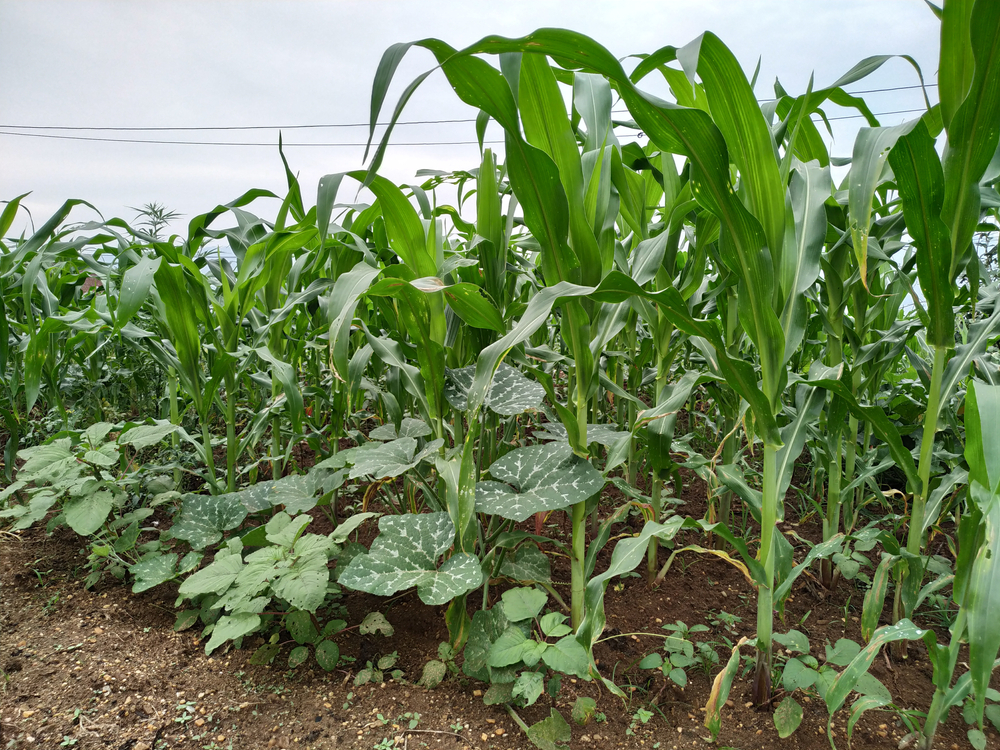
The three crops are corn, beans, and squash. They help each other grow in the garden.
Corn Provides Structure
Corn grows tall and strong. It acts as a natural pole for beans to climb.
This saves space and supports healthy bean plants. Corn also creates shade for the squash below.
Beans Add Nutrients
Beans climb the corn stalks and fix nitrogen in the soil. This helps corn and squash grow better.
Beans add protein to the garden’s harvest. They make the garden more productive and healthy.
Squash Covers The Ground
Squash plants spread wide with big leaves. They cover the soil and keep it moist.
This ground cover stops weeds from growing. It also protects the soil from drying out.

Credit: www.youtube.com
Choosing The Right Location
Planting a 3 Sisters Garden involves choosing the perfect spot. This ensures the plants grow well together.
The location impacts sunlight, soil, and space which are key to a successful garden.
Sunlight And Soil Requirements
The 3 Sisters Garden needs plenty of sunlight. Full sun helps the plants grow strong and healthy.
Soil should be rich and well-drained. This gives the plants the nutrients they need.
- Six to eight hours of sunlight daily
- Soil pH between 6.0 and 6.8
- Add compost to enrich the soil
Space Considerations
The 3 Sisters Garden requires space for each plant. Corn, beans, and squash each need room to spread.
Plant in a mound to allow the plants to support each other. This traditional method saves space.
| Plant | Spacing |
| Corn | 12 inches apart |
| Beans | 6 inches apart |
| Squash | 24 inches apart |
Selecting Corn, Beans, And Squash Varieties
Planting a Three Sisters garden needs careful seed choices. Corn, beans, and squash grow together well.
Choosing the right types of each plant helps them support each other. This makes your garden healthy and productive.
Best Corn Types For Support
Corn grows tall and acts as a natural pole for beans to climb. Pick strong, tall corn varieties for this job.
Look for corn types that can grow 6 feet or taller. They should have sturdy stalks to hold climbing beans.
- Silver Queen: Tall and sturdy sweet corn
- Country Gentleman: Heirloom type with strong stalks
- Bloody Butcher: Tall, red corn with good support
- Flint Corn: Hard stalks and good height
- Deer Tongue: Heirloom with strong, tall plants
Climbing Bean Varieties
Beans climb corn stalks and fix nitrogen in the soil. Choose pole beans that grow tall and wrap around supports.
Pick beans that grow quickly and have strong vines. They help corn and improve soil health at the same time.
- Scarlet Runner Beans: Bright flowers and long vines
- Kentucky Wonder: Fast growing and productive
- Blue Lake Pole Beans: Tender and climbing well
- Rattlesnake Beans: Hardy and twining strongly
- Yardlong Beans: Very long vines for good climbing
Squash Options For Ground Cover
Squash spreads wide on the ground. It shades soil and stops weeds from growing.
Choose squash types that grow low and cover the soil well. Bush or vining squash both work.
- Butternut Squash: Grows wide and covers soil
- Acorn Squash: Compact with good leaf cover
- Spaghetti Squash: Vines spread to protect ground
- Pattypan Squash: Low growing and bushy
- Yellow Crookneck: Spreads and shades soil
Preparing The Soil
Preparing the soil is the first step to planting a successful 3 Sisters Garden. Healthy soil helps corn, beans, and squash grow well together.
Good soil preparation includes clearing old plants and adding nutrients. This creates a strong base for your garden.
Clearing And Loosening Soil
Start by removing weeds, rocks, and debris from the garden area. This clears space for the 3 Sisters plants to grow.
Next, loosen the soil to improve air and water flow. Use a garden fork or tiller to break up hard soil.
- Remove old plants and roots
- Pull out weeds completely
- Take out stones and sticks
- Use a fork or tiller to loosen soil 6-8 inches deep
- Break up large clumps of dirt
Adding Compost And Nutrients
Adding compost gives the soil extra nutrients. This helps the 3 Sisters plants grow strong and healthy.
| Type of Soil | Recommended Compost Amount |
| Sandy Soil | 2-3 inches |
| Clay Soil | 3-4 inches |
| Loamy Soil | 1-2 inches |
Mix the compost well into the top 6 inches of soil. You can also add natural fertilizers like bone meal or fish emulsion.
Planting Sequence And Spacing
The Three Sisters garden uses corn, beans, and squash planted together. Each plant supports the others in growth. Proper sequence and spacing help them grow well.
Planting in the right order helps plants share space and nutrients. It also reduces competition and improves yield.
Planting Corn
Start by planting the corn first. Corn grows tall and acts as a natural pole for the beans to climb. Plant corn seeds in small groups.
Space the corn seeds about 12 inches apart. Leave 24 to 30 inches between each group to give room for beans and squash.
- Plant corn seeds 1 to 2 inches deep
- Space seeds 12 inches apart in groups
- Leave 24 to 30 inches between groups
Adding Beans
After corn sprouts, plant beans near the base of the corn stalks. Beans climb the corn for support. Plant beans soon after corn to keep pace.
Space beans 4 to 6 inches apart around each corn stalk. This spacing lets beans grow well without crowding the corn.
- Plant beans 1 inch deep
- Space beans 4 to 6 inches apart around corn
- Plant beans right after corn sprouts
Squash Placement
Plant squash last, around the outer edges of the corn and beans. Squash spreads wide and acts as a ground cover. This blocks weeds and keeps soil moist.
Space squash plants 36 to 48 inches apart. This gives enough room for their large leaves and vines to grow.
- Plant squash seeds 1 inch deep
- Space squash plants 36 to 48 inches apart
- Place squash around the garden edges
Watering And Mulching Tips
Growing a 3 Sisters garden needs careful watering and mulching. These methods help plants stay healthy and produce well. Proper water and mulch keep the soil moist and weeds away.
Let’s look at easy watering and mulching tips for your 3 Sisters garden. These tips fit the needs of corn, beans, and squash plants.
Watering Needs For Corn, Beans, And Squash
Corn, beans, and squash have different water needs. Corn needs more water during its growth. Beans like steady moisture but do not like soggy soil. Squash needs water at the base to avoid leaf diseases.
- Water deeply once or twice a week for corn.
- Keep soil moist but not wet for beans.
- Water squash at the soil, not the leaves.
- Water early in the morning to reduce evaporation.
Benefits Of Mulching In A 3 Sisters Garden
Mulching helps keep soil temperature stable and reduces water loss. It also stops weeds from growing and protects roots. Organic mulch breaks down and adds nutrients to the soil.
| Type of Mulch | Benefit | Best Use |
| Straw | Keeps soil cool and moist | Around corn and beans |
| Wood chips | Breaks down slowly, adds organic matter | Between squash plants |
| Grass clippings | Quick nutrient release | Light layer around all plants |
How To Apply Mulch Correctly
Apply mulch after planting and watering your 3 Sisters garden. Keep mulch a few inches away from plant stems. This stops rot and pests. Add a layer about 2 to 3 inches thick.
Tips for mulching:
- Use natural mulch like straw or leaves.
- Renew mulch every few weeks if it breaks down fast.
- Check soil moisture under mulch before watering again.
- Remove old mulch at the end of the season.
Managing Pests And Weeds Naturally
Growing a 3 Sisters garden means planting corn, beans, and squash together. These plants support each other well but can face problems from pests and weeds.
Using natural ways to protect your garden keeps it healthy and safe for your family and the environment.
Encourage Beneficial Insects
Good insects like ladybugs and lacewings eat harmful pests. Plant flowers like marigolds and sunflowers near your garden to attract them.
This helps keep pest numbers low without using chemicals.
- Plant companion flowers near your crops
- Avoid pesticides that kill all insects
- Provide water sources for beneficial bugs
Use Natural Mulches To Control Weeds
Mulching with straw, leaves, or grass clippings blocks sunlight from weeds. This stops weed seeds from growing.
Mulch also keeps soil moist and cool, which helps your plants grow better.
- Spread a 2-3 inch layer of mulch around plants
- Renew mulch as it breaks down
- Keep mulch a few inches away from plant stems
Hand-pick Pests And Weeds Regularly
Check your plants often for pests like beetles or caterpillars. Remove them by hand and drop them in soapy water.
Pull weeds by their roots before they spread seeds. This keeps your garden clean and healthy.
- Inspect plants twice a week
- Remove pests carefully to avoid plant damage
- Dispose of weeds away from the garden
Make Homemade Natural Sprays
You can make sprays from garlic, neem oil, or soap to control pests. These sprays are safe and break down quickly.
Apply sprays early in the morning or late afternoon to avoid harming plants.
- Crush garlic and soak in water overnight
- Add a few drops of mild soap to neem oil spray
- Test sprays on a small plant area first
Credit: www.ruralsprout.com
Harvesting Your 3 Sisters Crops
The Three Sisters garden includes corn, beans, and squash. Each crop has its own harvest time. Knowing when and how to gather each helps keep your garden healthy.
This guide explains how to tell when your corn, beans, and squash are ready. Follow these tips to harvest at the best time for taste and storage.
When To Harvest Corn
Harvest corn when the kernels are full and milky. The silks on the ears turn brown and dry. Check ears by peeling back a husk and pressing a kernel. If juice is milky, it is ready.
- Look for brown, dry silks on corn ears.
- Peel back the husk to check kernels.
- Press a kernel; it should release milky juice.
- Harvest in the morning for best flavor.
Picking Beans
Pick beans when pods are firm but not too hard. The beans inside should fill the pod but not bulge. Pick often to keep plants producing more beans.
| Bean Stage | Harvest Time | Notes |
| Young pods | When pods are smooth and green | Best for fresh eating |
| Mature pods | When pods start to dry and change color | Good for drying and storage |
Gathering Squash
Squash is ready when the skin is hard and cannot be scratched with a fingernail. The color is deep and firm. Cut squash from the vine, leaving a few inches of stem.
Tips for harvesting squash:
- Use a sharp knife or scissors to cut squash.
- Handle carefully to avoid bruising.
- Store in a cool, dry place for longer life.
Troubleshooting Common Issues
Growing a Three Sisters garden can be very rewarding. Still, some problems may slow down your plants. Knowing how to fix these issues helps your garden thrive.
Below are common problems and easy tips to solve them. This guide covers poor growth and pest handling to keep your garden healthy.
Dealing With Poor Growth
Poor growth in a Three Sisters garden can come from many causes. Lack of nutrients, wrong soil, or too much shade often affect plants.
- Test your soil for nutrients and pH levels.
- Ensure the garden gets at least 6 hours of sunlight daily.
- Add compost or organic fertilizer to enrich soil.
- Water plants evenly, avoiding dry or waterlogged soil.
- Plant corn, beans, and squash properly spaced to reduce competition.
Handling Pests
Pests can harm your Three Sisters garden quickly. Corn earworms, bean beetles, and squash bugs are common threats.
| Pest | Signs | Control Method |
| Corn Earworm | Damaged corn ears, holes in husks | Handpick worms, use row covers |
| Bean Beetle | Chewed bean leaves, yellow spots | Spray insecticidal soap, remove beetles |
| Squash Bug | Yellow spots on leaves, wilted plants | Destroy eggs, use neem oil |

Credit: www.youtube.com
Frequently Asked Questions
What Are The Three Sisters In Gardening?
The Three Sisters are corn, beans, and squash planted together. They support each other’s growth naturally, enhancing yield and soil health.
How Do You Prepare Soil For A Three Sisters Garden?
Loosen soil deeply and mix in compost. Ensure the soil is fertile and drains well for optimal growth.
When Is The Best Time To Plant A Three Sisters Garden?
Plant after the last frost, when soil warms up. This timing ensures seeds germinate and grow successfully.
How Should Corn, Beans, And Squash Be Arranged?
Plant corn in the center, beans around corn, and squash at edges. This layout maximizes space and plant benefits.
Conclusion
Planting a 3 Sisters garden is simple and rewarding. Corn, beans, and squash grow well together. They help each other and save space. This method has been used for centuries. It supports healthy soil and strong plants. Give it a try in your garden this year.
Enjoy fresh, homegrown vegetables and a fun gardening experience. Nature’s teamwork at its best.
