
Have you ever wondered how some gardens stay lush and healthy no matter the season? The secret might be simpler than you think.
Mulch is one of the easiest and most effective tools you can use to boost your garden’s health and beauty. But what exactly does mulch do for your garden, and why should you care? Keep reading to discover how this simple addition can save you time, protect your plants, and make your garden thrive like never before.
Credit: www.tandrcontracting.ca
Benefits Of Mulch
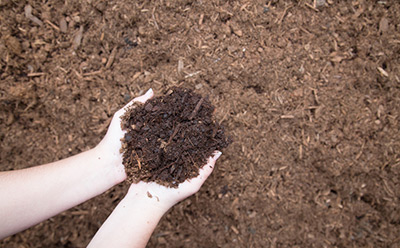
Mulch is a layer of material spread on the soil surface in gardens. It helps plants grow better by improving the soil and protecting roots.
Using mulch has many benefits. It supports plant health and makes garden care easier.
Improving Soil Moisture
Mulch keeps water in the soil by reducing evaporation. This helps plants get enough moisture during dry times. It also prevents soil from drying out quickly.
Regulating Soil Temperature
Mulch acts like a blanket for the soil. It keeps the soil cool in hot weather and warm in cold weather. This helps roots stay healthy all year.
Suppressing Weed Growth
Mulch blocks sunlight from reaching weed seeds. This stops many weeds from growing and spreading. Less weeding means less work for gardeners.
- Blocks light to weed seeds
- Reduces weed seed germination
- Makes garden look neat
- Helps keep soil undisturbed
Enhancing Soil Fertility
Organic mulches break down over time and add nutrients to the soil. This helps plants get the food they need to grow strong and healthy.
| Mulch Type | Nutrient Added | Benefit |
| Wood Chips | Carbon | Improves soil structure |
| Compost | Nitrogen | Feeds plants directly |
| Leaves | Potassium | Boosts root growth |
Protecting Plants From Pests
Mulch can keep some pests away by creating a barrier. It also hides plant stems and roots, making it harder for pests to find them.
Ways mulch protects plants:
- Blocks crawling insects
- Reduces soil splash that spreads disease
- Encourages beneficial insects
Types Of Mulch
Mulch helps protect and improve your garden soil. It comes in many types. Choosing the right mulch keeps plants healthy and soil moist.
You can pick from organic or inorganic mulch. Each type has unique benefits. Let’s explore these options to help your garden thrive.
Organic Mulch Options
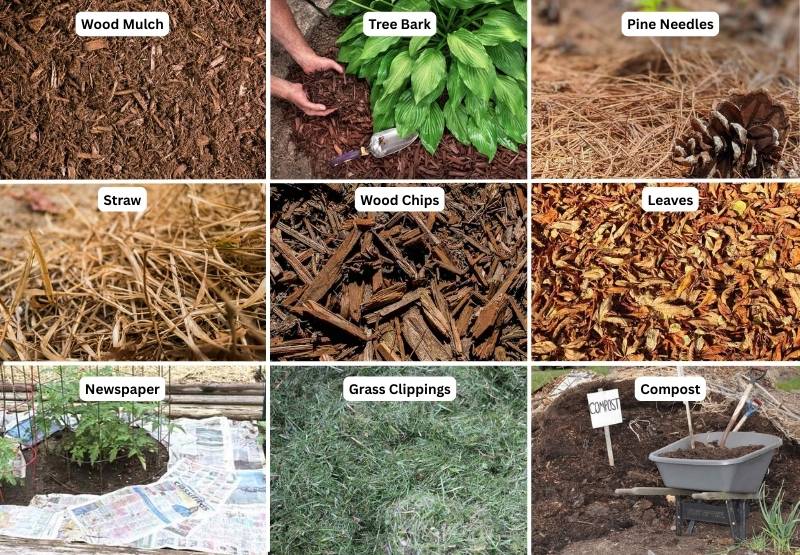
Organic mulches come from natural materials that break down over time. They add nutrients to the soil as they decompose. Common types include wood chips, straw, and compost.
- Wood chips: Great for moisture retention and weed control.
- Straw: Light and easy to spread, good for vegetable gardens.
- Compost: Adds rich nutrients and improves soil structure.
- Leaves: Readily available and good for insulating plants.
- Grass clippings: Provide nitrogen but should be used thinly to avoid matting.
Inorganic Mulch Options
Inorganic mulches are made from synthetic or non-decomposing materials. They last longer but do not improve soil nutrients. These mulches are useful for controlling weeds and reducing soil erosion.
| Mulch Type | Benefits | Drawbacks |
| Plastic Sheeting | Blocks weeds, retains heat | Does not allow water or air flow |
| Rubber Mulch | Durable, good for paths | Does not break down, can leach chemicals |
| Gravel or Stones | Good drainage, long-lasting | Can heat soil, heavy to move |
Choosing The Right Mulch
Select mulch based on your garden needs. Think about plant type, soil condition, and climate. Mulch should help retain moisture and reduce weeds.
Consider these points when picking mulch:
- Organic mulch improves soil but needs replacement
- Inorganic mulch lasts longer but does not enrich soil
- Color and texture affect garden appearance
- Mulch thickness should be 2-4 inches for best results
How Mulch Boosts Plant Growth
Mulch is a layer of material placed over the soil in gardens. It helps plants grow better by improving soil conditions and providing protection.
There are different types of mulch, such as organic and inorganic. Each type offers unique benefits for plant growth.
Promoting Root Development
Mulch helps keep the soil temperature steady. This allows plant roots to grow strong and healthy.
It also keeps the soil moist, which is important for root growth. Plants need water to absorb nutrients and grow well.
- Prevents soil from drying out
- Protects roots from extreme temperatures
- Encourages deeper root growth
Increasing Nutrient Availability
Organic mulch breaks down over time, adding nutrients to the soil. This process helps plants get the food they need to grow.
Nutrients in the soil are more available to plants when mulch is used. This leads to healthier and more robust plants.
- Improves soil fertility
- Provides essential nutrients
- Supports healthy plant growth
Encouraging Beneficial Microorganisms
Mulch creates a good environment for microorganisms in the soil. These tiny creatures help break down organic matter.
Beneficial microorganisms improve soil structure. This makes it easier for plants to absorb water and nutrients.
- Supports soil life
- Enhances nutrient cycling
- Improves plant health
Mulch And Garden Health
Mulch helps keep your garden healthy in many ways. It covers the soil and protects plants.
Using mulch can improve soil, reduce problems, and support plant growth.
Reducing Soil Erosion
Mulch covers the soil, stopping rain from washing it away. It holds soil in place.
This helps keep nutrients in the ground and stops roots from being exposed.
- Protects soil from heavy rain
- Prevents soil from blowing away
- Keeps soil stable for plants
Minimizing Disease Risks
Mulch creates a barrier that stops soil from splashing onto leaves. This reduces diseases.
It also keeps moisture steady, which helps prevent mold and fungus growth.
- Blocks soil from touching plants
- Reduces spread of plant diseases
- Maintains good moisture levels
Improving Soil Structure
As mulch breaks down, it adds organic matter to the soil. This makes soil richer.
Good soil holds water and air better, which helps roots grow strong and healthy.
- Adds nutrients to the soil
- Improves soil texture and strength
- Supports healthy root growth
Proper Mulching Techniques
Mulching helps keep your garden healthy and neat. It controls weeds, keeps soil moist, and adds nutrients.
Using the right mulching techniques makes sure your plants get all these benefits without problems.
Correct Mulch Depth
Mulch should be thick enough to protect soil but not so thick it harms plants. The right depth is usually two to three inches.
Too thin mulch lets weeds grow. Too thick mulch stops water and air from reaching roots.
Avoiding Common Mulching Mistakes
Some mulching mistakes can hurt your garden. Avoid piling mulch against tree trunks or plant stems.
- Do not use mulch that contains weed seeds.
- Avoid compacting the mulch; keep it loose for air flow.
- Remove old mulch before adding new layers.
- Do not overwater mulch; it should stay moist but not soggy.
Seasonal Mulching Tips
| Season | Mulching Advice |
|---|---|
| Spring | Apply fresh mulch to retain moisture and suppress weeds. |
| Summer | Check mulch depth; add more if soil dries out quickly. |
| Fall | Use mulch to protect roots from cold temperatures. |
| Winter | Avoid heavy mulch that can cause mold or pests. |

Credit: customlawn.com
Credit: www.lawnstarter.com
Frequently Asked Questions
What Are The Main Benefits Of Using Mulch?
Mulch conserves soil moisture, reduces weed growth, and regulates soil temperature. It also prevents erosion and improves soil fertility by decomposing organic matter.
How Does Mulch Improve Soil Health?
Mulch adds organic material to the soil as it breaks down. This enhances soil structure, promotes beneficial microorganisms, and increases nutrient availability for plants.
Can Mulch Prevent Weed Growth Effectively?
Yes, mulch blocks sunlight, which inhibits weed seed germination. It creates a physical barrier that reduces weed competition, saving you time and effort in garden maintenance.
What Types Of Mulch Are Best For Gardens?
Organic mulches like wood chips, straw, and compost are ideal. They enrich soil and break down naturally. Inorganic mulches include gravel and plastic, used mainly for moisture retention and weed control.
Conclusion
Mulch helps keep your garden healthy and strong. It stops weeds from growing and saves water by holding moisture in the soil. Mulch also protects plants from extreme temperatures and adds nutrients as it breaks down. Using mulch makes gardening easier and more enjoyable.
It’s a simple step that gives big benefits. Try adding mulch to your garden and see the difference it makes. Your plants will thank you.
