
Are you struggling to make your garden pots look as beautiful as your plants deserve? Arranging garden pots might seem simple, but the right setup can transform your outdoor space into a stunning retreat.
Imagine stepping into your garden and feeling a wave of calm and joy, all because your pots are perfectly placed. In this guide, you’ll discover easy tips and tricks to arrange your garden pots in a way that highlights your plants and enhances your garden’s vibe.
Keep reading, and you’ll learn how to turn your pots into eye-catching features that bring your garden to life.
Choosing The Right Pots
Choosing the right pots is essential for a vibrant garden. The right pots help plants grow healthy.
Consider materials, sizes, and colors when selecting pots for your garden. Each factor impacts plant health and garden beauty.
Material Options
Pots come in different materials like clay, plastic, and metal. Each has benefits for plants.
- Clay pots are porous and allow air to reach roots.
- Plastic pots are lightweight and easy to move.
- Metal pots are durable and add a modern look.
Size And Shape
The size and shape of pots affect plant growth. Choose pots that fit the plant size.
| Plant Type | Recommended Pot Size |
| Small herbs | 6 inches |
| Medium flowers | 12 inches |
| Large shrubs | 18 inches |
Color Coordination
Color coordination with pots enhances garden aesthetics. Match or contrast pot colors with plants.
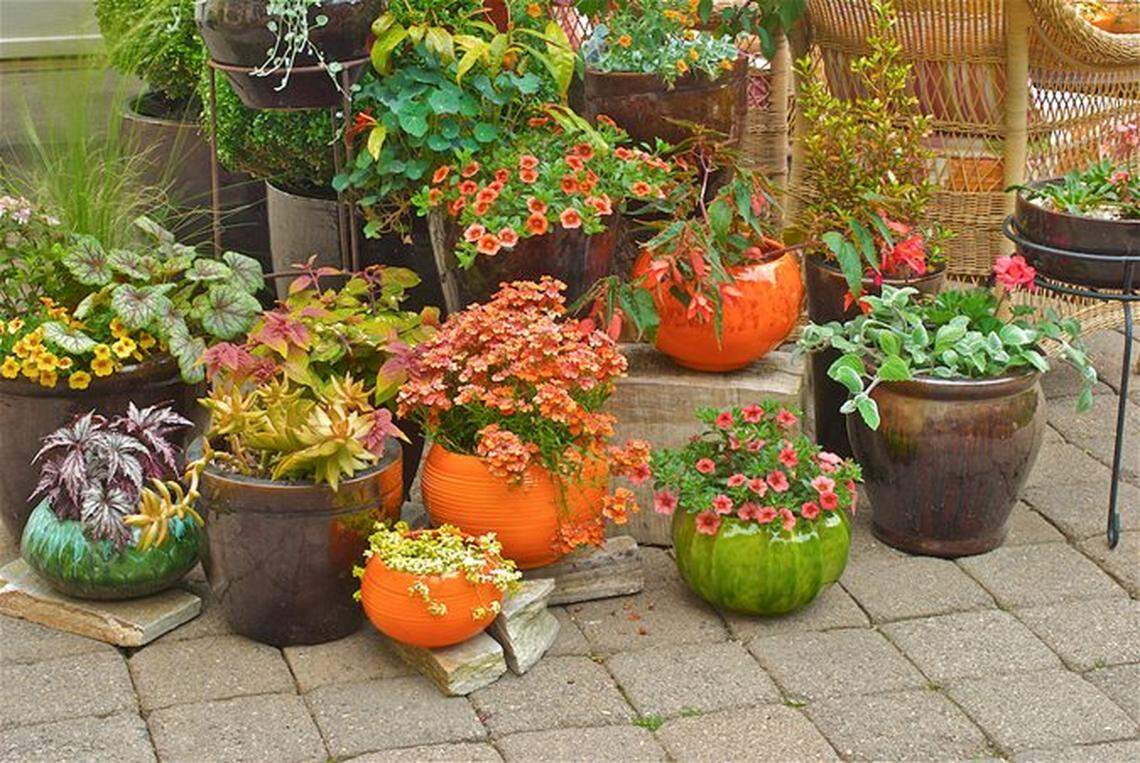
Credit: www.theolympian.com
Selecting The Perfect Plants
Choosing the right plants is key to arranging garden pots. The plants should fit the size and style of your pots.
Good plant choices help your garden look lively and balanced all year round.
Matching Plants To Pots
Pick plants that suit the pot size and material. Large pots need bigger plants or groups of smaller ones.
Clay pots work well with drought-tolerant plants. Plastic pots suit moisture-loving plants better.
- Small pots are best for succulents or herbs
- Wide pots fit trailing plants like ivy
- Tall pots look good with upright plants such as snake plants
Seasonal Choices
Choose plants that thrive in the current season. Seasonal plants bloom at the right time and look fresh.
Change plants as seasons shift to keep your pots colorful and healthy.
- Spring: tulips, pansies, and daffodils
- Summer: petunias, marigolds, and geraniums
- Fall: chrysanthemums, ornamental kale, and asters
- Winter: evergreen shrubs and winter pansies
Height And Texture
Mix plants of different heights to add depth. Tall plants go in the back or center.
Use plants with varied leaf textures for interest. Smooth, spiky, and fuzzy leaves create contrast.
- Tall plants: hollyhocks, sunflowers
- Medium plants: ferns, coleus
- Trailing plants: ivy, creeping jenny
- Textured leaves: lamb’s ear, succulents
Layout Ideas For Pots
Arranging garden pots can change the look of your outdoor space. Good layouts make your garden look tidy and inviting.
Try different ways to place your pots. This guide shows simple ideas for neat and attractive pot arrangements.
Symmetrical Arrangements
Symmetrical layouts use balance to create calm and order. Place pots in pairs or equal groups on each side of a path or entrance.
- Use pots of the same size and shape.
- Match plant types on each side for uniformity.
- Keep equal space between pots for neatness.
- Place larger pots in the center and smaller ones on sides.
Layered Grouping
Layered grouping stacks pots at different heights. This adds depth and makes the display more interesting.
Place smaller pots in front and larger pots behind. Use stands or bricks for height.
Creating Focal Points
A focal point draws attention to a special pot or plant. Use a unique pot or bright flowers to create this effect.
| Focal Point Idea | Description |
| Bright Color Pots | Use pots in bold colors to stand out. |
| Unusual Shapes | Choose pots with unique designs or shapes. |
| Tall Plants | Place tall or flowering plants in the center. |
| Decorative Stands | Use stands to raise a pot above others. |

Credit: sigmaplanters.com.au
Maximizing Space With Vertical Displays
Arranging garden pots vertically saves floor space and adds style. You can grow more plants in smaller areas.
Vertical displays help keep your garden neat and easy to care for. They also create eye-catching arrangements.
Using Shelves And Stands
Shelves and stands lift pots off the ground to use vertical space. They come in many sizes and shapes.
Stacking pots on shelves makes plants visible and easy to reach. Choose sturdy shelves for heavy pots.
- Wooden or metal shelves work well outdoors
- Tiers allow placing pots at different heights
- Stands with wheels add mobility
- Keep heavier pots on lower shelves
Hanging Planters
Hanging planters free up floor space by using air space. They add charm and movement to your garden.
You can hang pots from ceilings, beams, or hooks. Use strong ropes or chains to hold the weight.
- Macrame hangers look decorative
- Use lightweight pots for easy hanging
- Group hangers at different heights
- Place plants with trailing vines for effect
Wall-mounted Options
Wall-mounted pots save space and add vertical interest. They turn plain walls into green areas.
Mount pots on wooden boards, metal grids, or use special wall planters. Make sure walls can hold the weight.
- Use pockets or containers made for walls
- Arrange pots in patterns or rows
- Water carefully to avoid wall damage
- Choose plants that need less soil
Color And Theme Coordination
Arranging garden pots with matching colors creates a pleasing look. Choosing a theme helps your garden feel organized.
Using colors and themes guides your pot placement and plant choices. This makes your garden more attractive.
Matching Pot Colors
Select pot colors that blend well with your outdoor space. Neutral colors work with many plants and styles.
You can also use bold pot colors to add spots of interest. Match pots in groups for a neat look.
- Use white or beige pots for a clean style
- Dark pots highlight bright flowers
- Repeat pot colors to create harmony
- Mix textures but keep colors similar
Plant Color Themes
Pick plant colors that fit the mood you want. Soft pastels give a calm feeling, while bright colors feel lively.
Group plants with similar colors or create contrast by pairing opposite shades. Both ways make the pots stand out.
- Monochrome groups look simple and elegant
- Complementary colors add energy and fun
- Use green foliage to balance bright flowers
- Change plant colors by season for variety
Seasonal Decorations
Change your garden pots to match the seasons. Use colors and decorations that fit spring, summer, fall, or winter.
Seasonal themes make your garden feel fresh and festive. Add small decorations to pots for extra charm.
- Spring: pastel pots with bright flowers
- Summer: bold colors and tropical plants
- Fall: warm tones with pumpkins or leaves
- Winter: cool colors and pine cones
Maintenance Tips For Potted Gardens
Taking care of garden pots helps plants stay healthy and grow well. Simple maintenance keeps your potted garden fresh and vibrant.
This guide covers watering, soil care, and pest control for your potted plants.
Watering Techniques
Water potted plants carefully to avoid over or under watering. Check soil moisture before watering again.
- Water in the early morning or late afternoon.
- Use a watering can to avoid splashing leaves.
- Ensure pots have drainage holes to prevent waterlogging.
- Adjust watering frequency based on weather and plant type.
Soil And Fertilizer
Good soil and proper feeding help plants get nutrients and grow strong. Use fresh potting mix for best results.
| Soil Type | Best Use | Fertilizer Type | Frequency |
| Loamy | Most plants | Balanced NPK (10-10-10) | Every 4 weeks |
| Sandy | Succulents | Low nitrogen | Every 6 weeks |
| Clay | Flowering plants | High phosphorus | Every 3 weeks |
Pest Control
Watch for pests that harm potted plants. Early action keeps damage low.
Try these pest control tips:
- Inspect leaves and stems weekly.
- Remove insects by hand or with water spray.
- Use natural insecticides like neem oil.
- Keep pots clean and remove dead leaves.
Creative Extras
Adding creative extras can make your garden pots stand out. Small touches bring charm and personality to your outdoor space.
These ideas help you decorate garden pots in fun and unique ways. Try simple additions to enhance the look.
Adding Decorative Stones
Decorative stones add texture and color around your pots. They also help keep soil moist and reduce weeds.
You can use small pebbles, polished stones, or colorful gravel to create a neat border or cover bare soil.
- Choose stones that match your garden’s style
- Place stones evenly around the pot base
- Mix colors for a natural or artistic look
- Replace stones if they get dirty or faded
Incorporating Garden Art
Garden art adds personality and fun to your pot arrangements. Small sculptures or ornaments work well.
Look for pieces that fit your garden’s theme. You can add animals, fairies, or abstract shapes near your pots.
- Use weather-resistant materials like metal or stone
- Place art at different heights for interest
- Group several pieces for a creative display
- Avoid overcrowding to keep focus on plants
Lighting Ideas
Lighting makes garden pots visible and inviting at night. Soft lights highlight your plants and decorations.
Use solar lights or LED string lights around your pots for easy, low-cost illumination.
- Place small spotlights to focus on tall pots
- Wrap string lights around pot edges or nearby branches
- Use lanterns for a cozy, warm glow
- Choose lights with timers to save energy

Credit: www.theolympian.com
Frequently Asked Questions
How Do I Choose The Right Pots For My Garden?
Select pots based on plant size, drainage, and material. Use ceramic or terracotta for breathability. Match pot color with garden style for visual appeal.
What Is The Best Way To Arrange Garden Pots?
Group pots by size or plant type. Use varying heights for depth. Place taller pots at the back and smaller ones in front for balance.
How Can I Improve Drainage In Garden Pots?
Ensure pots have drainage holes. Add a layer of gravel or broken pottery at the bottom. Use well-draining soil to prevent root rot.
How Often Should I Water Plants In Garden Pots?
Water frequency depends on plant type and weather. Check soil moisture daily. Water when the top inch feels dry to keep plants healthy.
Conclusion
Arranging garden pots can brighten any outdoor space. Choose pots that fit your style and plants. Group pots by size, color, or plant type for balance. Use different heights to create interest and depth. Keep pots clean and check plants often.
Small changes make your garden look fresh and neat. Enjoy the process and watch your garden grow beautifully. Simple steps bring charm and life to your garden area.
