
Have you ever spotted tiny teeth marks on your garden plants and wondered who the culprit might be? If you’re seeing damage and puzzling over whether squirrels are the cause, you’re not alone.
These lively little creatures are known for their curiosity and appetite, but do they really feast on your carefully nurtured garden? Understanding what squirrels eat and how they interact with your plants can help you protect your green space. Keep reading to discover the surprising truth about squirrels and your garden plants—and learn what you can do to keep your garden thriving.

Credit: www.yahoo.com
Squirrel Diet Basics
Squirrels are known for their bushy tails and quick movements. They are common in gardens and parks. Their diet is varied and changes with the seasons.
Understanding what squirrels eat can help you protect your garden. Squirrels have diverse diets that include plants and other natural foods.
Common Foods Squirrels Eat
Squirrels eat a wide range of foods. They are mostly herbivores, but they can eat other things too. Here are some common foods they enjoy:
- Nuts like acorns and walnuts
- Fruits such as apples and berries
- Seeds and grains
- Leaves and twigs
Seasonal Changes In Diet
The diet of squirrels changes with the seasons. In spring and summer, they eat fresh fruits and greens. In fall, they gather nuts for winter.
During winter, food is scarce. Squirrels rely on stored nuts and seeds. They also eat what they can find, like tree bark.
- Spring and Summer: Fresh fruits, flowers, and vegetables
- Fall: Nuts, seeds, and grains
- Winter: Stored nuts, bark, and any available food

Credit: www.yahoo.com
Plants Attracting Squirrels
Squirrels often visit gardens looking for food. They eat many types of plants and seeds. Knowing which plants attract squirrels helps gardeners protect their plants.
Some plants are especially popular with squirrels. These plants provide nuts, fruits, or seeds that squirrels like to eat or store.
Popular Garden Plants Targeted
Squirrels often go after plants that give them tasty food. They like nuts, fruits, and seeds that are easy to reach.
- Oak trees with acorns
- Sunflower plants with seeds
- Fruit trees like apple and pear
- Nut trees such as walnut and pecan
- Berry bushes like blueberries and raspberries
- Maize or corn plants
Why Squirrels Favor Certain Plants
Squirrels choose plants that give them high energy food. Nuts and seeds have lots of fat and protein. Fruits provide sugar for quick energy.
Squirrels also prefer plants that offer easy access. They like food they can get without much effort. Plants that grow close to the ground or have open seeds attract squirrels.
- High energy content in nuts and seeds
- Easy-to-access fruits and seeds
- Availability during different seasons
- Plants near shelter or nests
- Variety that helps squirrels store food
Damage Caused By Squirrels
Squirrels can cause harm to garden plants by chewing and digging. Their activity may reduce plant growth and ruin garden beds.
Understanding the signs of squirrel activity and its impact on plants helps in protecting your garden effectively.
Signs Of Squirrel Activity
Squirrels leave clear signs when they visit gardens. Spotting these helps identify the problem early.
- Chewed leaves, stems, or fruits on plants
- Holes dug in soil near plant roots
- Scattered nuts or seed shells on the ground
- Scratch marks on tree bark or wooden structures
- Visible squirrel tracks or droppings near plants
Impact On Plant Health
Squirrel damage affects plants in several ways. They eat parts of plants and disturb the soil.
| Type of Damage | Effect on Plant | Possible Outcome |
|---|---|---|
| Chewing on leaves and stems | Reduces photosynthesis | Slower growth or plant death |
| Eating fruits and buds | Loss of harvestable produce | Lower crop yield |
| Digging near roots | Root damage and exposure | Weakened plant stability |
| Scratching tree bark | Exposes inner wood to disease | Tree vulnerability or decline |
Squirrel Behavior In Gardens
Squirrels often visit gardens looking for food and shelter. They can eat many types of plants and seeds.
Understanding how squirrels behave helps gardeners protect their plants. These animals are active and curious.
Nesting And Foraging Habits
Squirrels build nests called dreys in trees or bushes. They use leaves, twigs, and soft materials to stay warm.
They search for food during the day. Squirrels eat nuts, seeds, fruits, and sometimes garden plants like flowers or vegetables.
- Squirrels store food in small caches for winter.
- They often dig up bulbs or seedlings in gardens.
- Young squirrels learn foraging by watching adults.
Interaction With Other Wildlife
Squirrels share their garden space with birds, rabbits, and other small animals. They compete for food but also help spread seeds.
Sometimes, squirrels chase smaller animals or birds away from feeders. They are quick and can be quite bold.
- Squirrels may scare away some bird species from feeders.
- They help plants grow by dropping seeds in different areas.
- Other animals avoid squirrels because they are fast and noisy.
Preventing Squirrel Damage
Squirrels can cause harm to your garden plants. They often dig up bulbs and eat fruits and vegetables. Protecting your garden helps keep plants safe and healthy.
There are many ways to stop squirrels from damaging your garden. Using barriers, natural repellents, and smart plant choices can all help.
Physical Barriers And Fencing
Installing fences and barriers is a good way to keep squirrels out. Use wire mesh or hardware cloth around garden beds. Cover young trees with plastic guards to protect bark.
- Use chicken wire around flower beds
- Wrap tree trunks with metal flashing
- Place netting over fruit bushes
- Build raised beds with barriers underneath
Natural Repellents And Deterrents
Certain smells and tastes can keep squirrels away. Use natural items that squirrels dislike to protect plants. Reapply repellents often, especially after rain.
| Repellent | How to Use | Effect |
| Hot pepper spray | Spray on leaves and fruits | Strong taste deters squirrels |
| Garlic cloves | Place around garden edges | Unpleasant smell keeps squirrels away |
| Human hair | Scatter near plants | Smell of humans scares squirrels |
| Predator urine | Apply near garden fence | Signals danger to squirrels |
Plant Choices To Discourage Squirrels
Some plants are less attractive to squirrels. Choosing these plants can reduce damage. Plant them near more vulnerable plants for protection.
- Lavender
- Marigolds
- Daffodils
- Alliums
- Fritillaria
Benefits Of Squirrels In Gardens
Squirrels often get a bad reputation for eating garden plants. Yet, they play an important role in garden health. They help with natural processes that benefit plants and other animals.
Understanding the benefits squirrels provide can help gardeners appreciate their presence. These small mammals contribute in ways that support a balanced garden ecosystem.
Pollination And Seed Dispersal
Squirrels help spread seeds and pollen. They carry seeds to new locations by hiding them in the ground. This helps plants grow in different areas.
- Squirrels bury nuts and seeds, aiding plant growth.
- Some buried seeds are not eaten and sprout into new plants.
- They help trees like oak and pine spread across forests and gardens.
- This natural planting supports biodiversity and garden health.
Pest Control Contributions
Squirrels eat insects and small pests that can harm plants. Their diet helps reduce the number of harmful bugs in the garden.
| Type of Pest | Benefit of Squirrels |
| Insects | Lower numbers by feeding on them |
| Larvae | Reduced damage to leaves and roots |
| Small rodents | Competition for food helps balance populations |
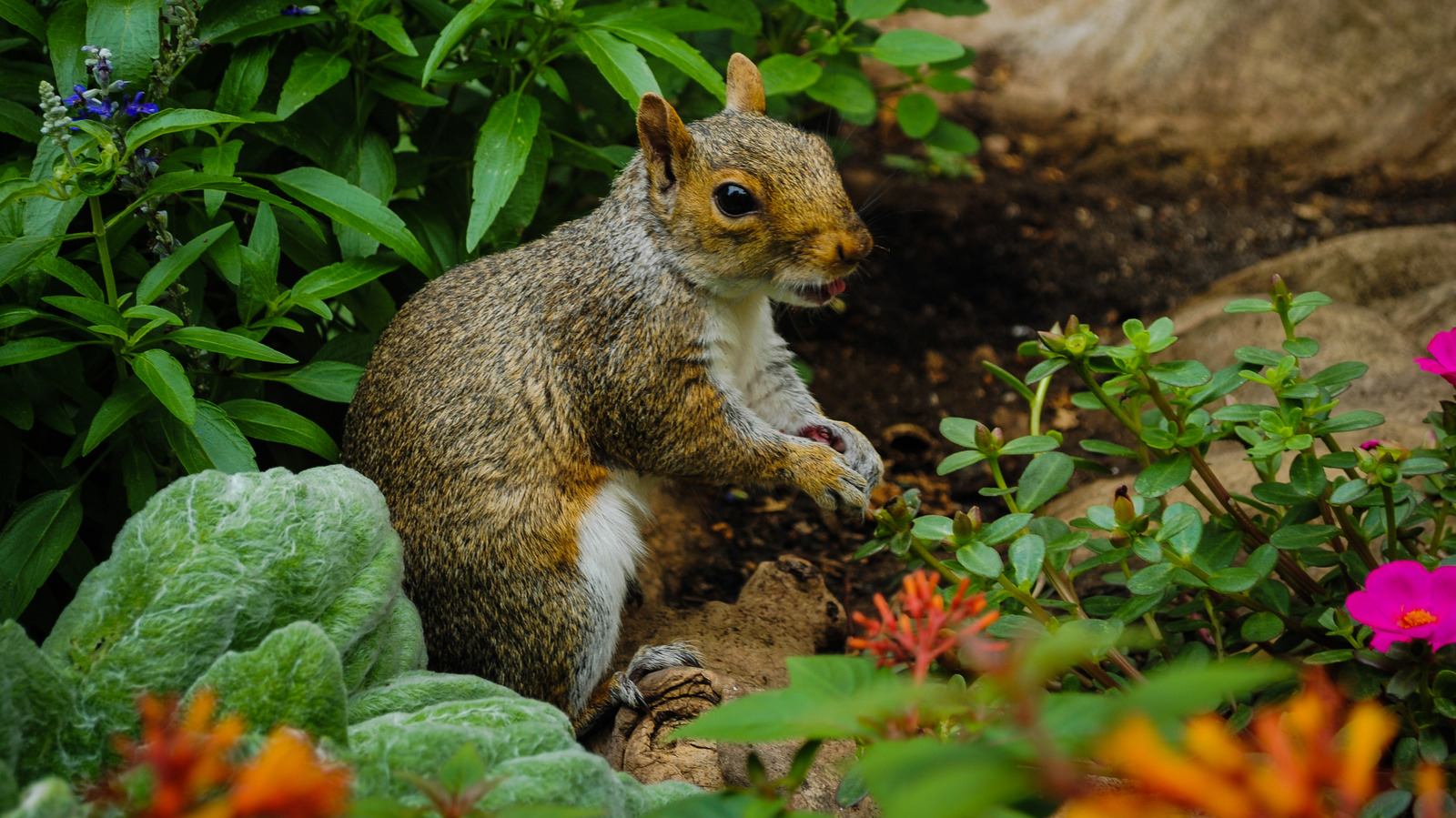
Credit: www.housedigest.com
Frequently Asked Questions
Do Squirrels Eat All Types Of Garden Plants?
Squirrels primarily eat nuts, fruits, and seeds. However, they can also nibble on garden plants like vegetables and flowers. Their diet varies depending on availability, so some garden plants may be at risk of damage.
How Do Squirrels Damage Garden Plants?
Squirrels damage plants by chewing leaves, stems, and fruits. They dig up bulbs and roots while searching for food. This behavior can harm the plant’s growth and reduce the overall yield of your garden.
Can Squirrels Harm Vegetable Gardens?
Yes, squirrels can harm vegetable gardens. They often target crops like tomatoes, beans, and corn. Squirrels eat fruits and vegetables, causing visible damage and reducing harvest quality.
What Attracts Squirrels To Garden Plants?
Squirrels are attracted to gardens with abundant food sources like nuts, fruits, and vegetables. Bright flowers and accessible water sources also draw them in. Providing shelter such as trees and shrubs encourages their presence.
Conclusion
Squirrels do eat many garden plants, causing damage sometimes. They like fruits, nuts, and tender shoots mostly. Protecting your garden helps keep plants safe and healthy. Use barriers or natural repellents to deter squirrels gently. Watching their behavior can guide your prevention steps.
Gardens can thrive with care and smart choices. Stay patient and adjust your methods as needed. Enjoy your garden’s beauty without too much worry. Squirrels are part of nature but can be managed well.
