
Are you wondering why your plants aren’t thriving despite your best efforts? The secret might be hiding right beneath their roots—in the soil you’re using.
Understanding the difference between garden soil and potting mix can completely change how your plants grow. If you want to give your plants the best chance to flourish, knowing which one to choose is crucial. Keep reading, and you’ll discover how the right soil can transform your gardening success.
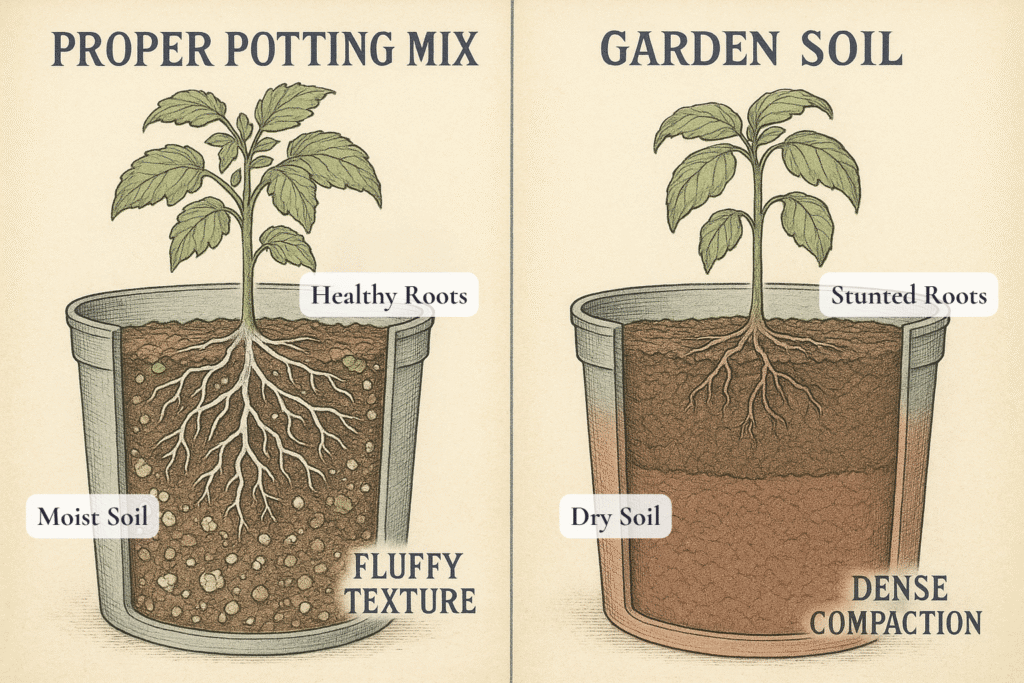
Credit: grow-easy.ai
Garden Soil Basics
Garden soil is the ground material found in gardens. It supports plant growth. It is important to know what makes garden soil unique.
Understanding garden soil helps you choose the right soil for your plants. It is different from potting mix in several ways.
Composition And Texture
Garden soil is made of sand, silt, and clay. These elements determine its texture.
The texture affects how well the soil holds water and air. Good soil has a balance of these components.
- Sandy soil drains water quickly
- Clay soil holds water but drains slowly
- Silty soil is smooth and retains moisture
Nutrient Content
Garden soil contains natural nutrients. These nutrients are essential for plant growth.
Soil nutrients come from organic matter and minerals. Healthy soil has a good mix of these nutrients.
- Organic matter provides nitrogen and phosphorus
- Minerals offer potassium and calcium
- Compost improves nutrient content
Natural Microorganisms
Garden soil is home to many microorganisms. These tiny creatures help break down organic matter.
Microorganisms improve soil health. They help plants absorb nutrients more effectively.
- Bacteria break down organic material
- Fungi help decompose complex compounds
- Earthworms aerate the soil

Credit: www.drgreenthumbs.com.au
Potting Mix Essentials
Potting mix is a special blend designed for container gardening. It helps plants grow well in pots.
This mix is different from garden soil because it has unique ingredients and properties. These help plants get water, air, and nutrients.
Ingredients And Structure
Potting mix contains light and loose materials. These include peat moss, coconut coir, perlite, and compost.
- Peat moss holds moisture and nutrients
- Coconut coir improves water retention and structure
- Perlite allows air to reach roots
- Compost adds nutrients for plant growth
Water Retention Properties
Potting mix keeps water well but drains extra moisture fast. This balance stops roots from getting too wet or too dry.
| Material | Water Holding | Drainage |
| Peat Moss | High | Moderate |
| Coconut Coir | Moderate | Good |
| Perlite | Low | Excellent |
| Sand | Low | Good |
Aeration And Drainage
Good potting mix lets air flow to roots. It also drains water quickly to avoid root rot.
Here are key reasons why aeration and drainage matter:
- Roots get oxygen to grow strong
- Excess water leaves easily
- Soil stays loose and easy to work with
Comparing Uses
Garden soil and potting mix serve different purposes in gardening. Choosing the right one depends on where and how you want to grow your plants.
This guide helps you understand the best uses for each type of growing medium in various settings.
Outdoor Gardening
Garden soil is ideal for outdoor gardening. It contains natural minerals and organic matter that support plants in the ground. Potting mix is not suitable here because it is too light and drains quickly.
Container Planting
Potting mix works best for container planting. It is lightweight and holds water well, which helps plants in pots grow healthy. Garden soil is often too dense and can cause poor drainage in containers.
- Potting mix prevents root rot by draining excess water.
- It contains materials like peat moss and perlite for aeration.
- Garden soil may compact and reduce air flow in pots.
Indoor Plants
| Type | Garden Soil | Potting Mix |
| Water Retention | Low | High |
| Drainage | Poor | Excellent |
| Nutrient Content | Varies | Balanced |
| Use with | Not recommended | Best for indoor plants |
Indoor plants thrive in potting mix because it keeps roots moist without waterlogging. Garden soil can hold too much water and may bring pests or diseases indoors.
Advantages And Drawbacks
Garden soil and potting mix are used to grow plants. Each has its own benefits and problems. Choosing the right one helps plants grow well.
This guide explains the pros and cons of garden soil and potting mix. It helps you decide which to use for your plants.
Pros Of Garden Soil
Garden soil is natural and full of nutrients. It is good for outdoor plants. It has good structure for roots to grow deep.
- Rich in natural minerals
- Supports strong roothttps://extension.umn.edu/managing-soil-and-nutrients/living-soil-healthy-garden growth
- Good for large outdoor plants
- Usually less expensive than potting mix
Cons Of Garden Soil
Garden soil can be heavy and hard to drain. It may contain pests or diseases. It is not ideal for indoor pots.
- Can be too dense for pots
- May have weed seeds or bugs
- Drains water slowly
- Less sterile than potting mix
Pros Of Potting Mix
Potting mix is light and drains well. It is made for container plants. It often contains added nutrients and moisture control.
- Lightweight and easy to handle
- Drains water quickly
- Usually free of pests and diseases
- Contains added nutrients for plants
Cons Of Potting Mix
Potting mix can dry out faster than garden soil. It can be more expensive. Some mixes lack natural minerals found in soil.
- Dries out quickly, needs frequent watering
- Costlier than garden soil
- May need extra feeding over time
- Not suitable for planting directly in the ground
Choosing The Right Option
Garden soil and potting mix are both used for growing plants. Each has different qualities that suit certain needs. Picking the right one helps plants grow healthy and strong.
This guide explains the difference and helps you choose based on plant type, environment, and care needs.
Plant Type Considerations
Some plants do best in garden soil while others prefer potting mix. Garden soil is heavy and has natural nutrients. Potting mix is light and drains well. Use garden soil for outdoor plants with strong roots. Use potting mix for indoor plants and seedlings that need good air and water flow.
Environmental Factors
| Factor | Garden Soil | Potting Mix |
| Drainage | Slow drainage, can retain water | Good drainage, prevents waterlogging |
| Use Location | Best for outdoor gardens | Ideal for pots and containers |
| Weight | Heavy, hard to move | Lightweight, easy to handle |
| Nutrient Content | Natural minerals and microbes | Often enriched with fertilizers |
Maintenance Needs
- Garden soil may need less frequent watering because it holds moisture.
- Potting mix dries faster, so water more often.
- Garden soil can compact, needing occasional loosening.
- Potting mix often needs added nutrients since it drains quickly.
- Replace potting mix every year to keep plants healthy.
Tips For Improving Soil And Mix
Garden soil and potting mix serve different purposes for plants. Improving both helps plants grow better.
Good soil and mix provide nutrients, hold moisture, and support roots. Small changes make a big difference.
Amendments For Garden Soil
Garden soil often needs extra nutrients and better texture. Adding organic matter makes soil richer and softer.
Compost, aged manure, and leaf mold are great amendments. They improve drainage and keep soil healthy.
- Add compost to increase nutrients
- Mix in aged manure for better texture
- Use leaf mold to improve moisture retention
- Test soil pH to adjust acidity
Enhancing Potting Mix
Potting mix should drain well and hold moisture without getting soggy. You can improve it by adding certain materials.
Perlite, vermiculite, and coconut coir help with air flow and water retention. These materials keep roots healthy.
- Add perlite to improve drainage
- Mix in vermiculite to hold moisture
- Use coconut coir for light texture
- Include slow-release fertilizer for steady nutrients
Sustainable Practices
Using natural and recycled materials helps the environment. It also supports healthy plant growth.
Compost kitchen scraps and yard waste. Avoid peat moss as it harms wetlands and use alternatives instead.
- Recycle organic waste into compost
- Choose coconut coir over peat moss
- Use rainwater for watering plants
- Apply mulch to reduce water loss

Credit: www.reddit.com
Frequently Asked Questions
What Is Garden Soil Used For?
Garden soil is ideal for outdoor planting beds and landscaping. It contains natural minerals, organic matter, and microorganisms suited for growing plants in the ground.
How Does Potting Mix Differ From Garden Soil?
Potting mix is lightweight, sterile, and well-draining. It contains peat, bark, and perlite, designed for container plants, unlike heavier garden soil.
Can I Use Garden Soil In Pots?
Using garden soil in pots is not recommended. It can compact, drain poorly, and carry pests, harming container plants.
Why Is Potting Mix Better For Indoor Plants?
Potting mix provides better aeration and drainage. It supports healthy root growth and prevents waterlogging in indoor containers.
Conclusionhttps://daisysgarden.com.au/blog/gardening-care-tips-1/garden-soil-vs-potting-mix-which-should-you-use-18
Choosing between garden soil and potting mix depends on your plant needs. Garden soil is heavy and full of natural nutrients. Potting mix is lighter and drains water well. Using the right one helps plants grow strong. It also prevents problems like root rot or poor growth.
Remember, pots need potting mix for air and moisture balance. Garden beds do better with garden soil to keep roots healthy. Knowing this difference supports your gardening success. Simple choices make a big difference in plant health. Try both and see what works best for you.
