
Are you wondering if garden soil can work in your pots? It’s a common question for anyone who loves growing plants but isn’t sure what soil is best.
Using the wrong soil can hurt your plants or slow their growth. But what if the soil right outside your door is just what you need? You’ll discover the truth about garden soil in pots and learn how to choose the best mix to keep your plants healthy and thriving.
Keep reading—you’ll be surprised at what you find out!
Why Garden Soil Seems Ideal
Garden soil is often considered for potting plants. It appears rich and natural, making it a tempting choice. Many gardeners believe it provides the best environment for plants to thrive.
Using garden soil might seem practical and cost-effective. It is readily available and has a natural look and feel. But is it the best option for potted plants?
Nutrient Content In Garden Soil
Garden soil contains nutrients essential for plant growth. It has minerals and organic matter that support plants. These nutrients are crucial for healthy leaves and flowers.
In garden soil, nutrients are usually balanced. This balance helps plants grow strong roots and stems. However, the nutrient levels might vary from one garden to another.
- Rich in nitrogen, phosphorus, and potassium
- Contains trace elements like calcium and magnesium
- Varies depending on location and conditions
Natural Microorganisms Benefits
Garden soil is full of natural microorganisms. These tiny creatures help break down organic matter. They make nutrients more available to plants.
Microorganisms also help improve soil structure. They create air pockets that allow roots to breathe. This process supports healthy plant growth.
- Decompose organic matter for nutrient release
- Enhance soil aeration and drainage
- Support plant immune systems

Credit: www.youtube.com
Challenges Of Using Garden Soil In Pots
Using garden soil in pots can cause problems for your plants. Garden soil is not made for container gardening. It may not drain well or stay loose.
Knowing these challenges helps you avoid plant health issues. Here are common problems when using garden soil in pots.
Poor Drainage Issues
Garden soil often holds too much water in pots. This happens because it is denser than potting mix. Water can stay trapped, causing roots to rot.
Good drainage is key for healthy plants. Without it, plants may drown or get diseases. Garden soil usually lacks enough sand or perlite to drain well.
Soil Compaction Problems
Garden soil tends to compact in pots. It becomes hard and dense over time. This makes it hard for roots to grow and get air.
- Compacted soil blocks oxygen from reaching roots
- Roots may stop growing or die
- Water does not spread evenly
- Plants become weak and stressed
Pest And Disease Risks
| Risk | How Garden Soil Causes It | Effect on Potted Plants |
|---|---|---|
| Pests | Garden soil may contain insect eggs or larvae | Infestations can damage roots and leaves |
| Fungal Diseases | Soil can hold fungal spores from outside | Roots may rot and plants can die |
| Bacterial Infections | Pathogens can survive in garden soil | Leaves and stems may develop spots or rot |
Differences Between Garden Soil And Potting Mix
Garden soil and potting mix look similar but they serve different purposes. Choosing the right one helps your plants grow well in pots.
Garden soil comes from outside ground, while potting mix is made for containers. This makes their features different.
Texture And Composition
Garden soil has a heavy texture with clay, sand, and organic matter. It can be dense and hard to drain in pots.
Potting mix feels light and fluffy. It usually contains peat moss, coconut coir, perlite, and compost for good structure.
- Garden soil: dense and heavy
- Potting mix: light and airy
- Potting mix includes materials for better drainage
Water Retention And Aeration
Garden soil holds water but can stay too wet or dry fast. It does not allow much air to reach plant roots in pots.
Potting mix holds enough water but drains well. It also lets air flow to roots, helping plants stay healthy.
- Garden soil may trap too much water
- Potting mix balances water and air
- Good aeration helps root growth
Nutrient Availability
Garden soil contains natural nutrients but might have pests or weed seeds. Nutrients may not be enough for potted plants.
Potting mix often has added fertilizers and safe ingredients. It gives plants nutrients they need to grow in pots.
- Garden soil nutrients vary
- Potting mix usually has added nutrients
- Potting mix is free from pests and weeds

Credit: www.aol.com
Expert Tips For Safe Use Of Garden Soil In Containers
Using garden soil in pots can save money and recycle soil. But garden soil is not always safe for containers.
Garden soil may contain pests, diseases, or poor drainage. Follow tips to use it safely in your pots.
Sterilizing Garden Soil
Garden soil can have harmful bugs and germs. Sterilizing kills these before use in pots.
You can sterilize soil by heating it in the oven or microwave. This stops pests and diseases from spreading.
- Preheat oven to 180°F (82°C)
- Spread soil in a thin layer on a baking tray
- Heat soil for 30 minutes to sterilize
- Let soil cool before using in containers
- Use a microwave-safe container for small amounts
Amending Soil For Better Drainage
Garden soil often holds too much water. Add materials to improve drainage and avoid root rot.
Mix sand, perlite, or small gravel into the soil. This helps water flow well in pots.
- Use coarse sand for better water flow
- Add perlite to lighten heavy soil
- Mix in small gravel for air spaces
- Combine about 25% amendments with soil
- Stir thoroughly to spread amendments evenly
Combining With Potting Mix
Garden soil alone may lack nutrients and structure for pots. Mix it with potting soil for balance.
Potting mix provides nutrients and drains well. Combining it with garden soil creates a good container mix.
- Mix equal parts garden soil and potting mix
- Add compost for extra nutrients
- Ensure the mix is light and fluffy
- Test water drainage before planting
- Adjust mix ratios based on plant needs
Alternatives To Garden Soil For Container Gardening
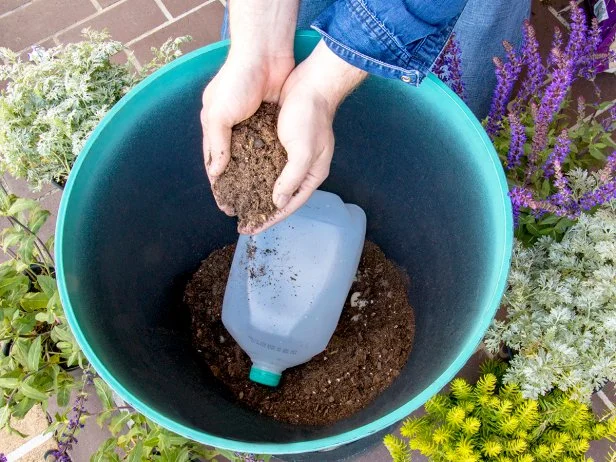
Garden soil is not always the best choice for pots. It can be heavy and hold too much water. Many plants need light, airy soil that drains well.
Using the right mix helps plants grow strong and healthy. There are good alternatives that work better in containers.
Choosing Quality Potting Mixes
Potting mixes are made for container plants. They hold water and air in the right balance. Most mixes include peat moss, coconut coir, perlite, or vermiculite.
- Peat moss holds moisture but drains well.
- Coconut coir is a sustainable peat moss alternative.
- Perlite adds air pockets to lighten the mix.
- Vermiculite helps retain water and nutrients.
- Some mixes have added fertilizer for plant growth.
Diy Potting Soil Recipes
You can make your own potting soil at home. This saves money and lets you control ingredients.
| Ingredient | Purpose | Amount for 1 part mix |
| Peat moss or coconut coir | Water retention and lightness | 2 parts |
| Perlite or vermiculite | Improves drainage and aeration | 1 part |
| Compost or aged manure | Provides nutrients | 1 part |
| Garden lime (optional) | Adjusts pH if needed | 1 tablespoon |
Signs Your Potted Plants Suffer From Soil Issues
Using the wrong soil in pots can hurt your plants. Garden soil is often not right for containers.
Watch your plants closely. Some signs show soil problems early on.
Yellowing Leaves And Wilting
Leaves turning yellow or wilting can mean soil issues. Poor soil drains water badly or lacks nutrients.
Too much water or not enough air in soil causes roots to struggle. This shows in the leaves first.
- Yellow leaves start at the bottom of the plant
- Wilting happens even if you water the plant
- Leaves may fall off easily
Root Rot Symptoms
Root rot happens when soil holds too much water. Roots turn black or brown and feel mushy.
Plants with root rot show poor health. They may stop growing or lose leaves fast.
- Soil smells bad or sour
- Roots look slimy or soft
- Plant droops and never recovers after watering
Poor Growth Patterns
Plants with bad soil often grow slowly or unevenly. New leaves may be small or pale.
The soil might be too heavy or lack nutrients. This stops roots from getting air and food.
- Plants stay small despite good light
- Leaves look smaller than usual
- Growth stops for weeks at a time
Credit: www.hgtv.com
Frequently Asked Questions
Can Garden Soil Be Used Directly In Pots?
No, garden soil is usually too dense for pots. It can cause poor drainage and root problems. Use potting mix designed for containers instead.
Why Is Garden Soil Not Ideal For Potted Plants?
Garden soil can compact easily in pots, limiting airflow. It may also contain pests or diseases harmful to plants. Potting soil is lighter and sterilized for healthy growth.
What’s The Difference Between Garden Soil And Potting Mix?
Garden soil is natural soil from your yard. Potting mix is specially formulated, lightweight, and well-draining for container plants. It often contains peat, perlite, and compost.
Can Garden Soil Harm Plants In Containers?
Yes, garden soil can harbor pathogens and pests. It can also retain too much water, causing root rot. Using potting mix reduces these risks significantly.
Conclusion
Using garden soil in pots can cause drainage problems and poor plant growth. Potting mix is lighter and drains water better. Garden soil may carry pests or diseases into your pots. For healthy plants, choose soil made for containers. It helps roots get air and water easily.
Remember, plants in pots need special care and soil. This keeps them strong and growing well. Choose the right soil for your pots to see good results. Your plants will thank you with healthy leaves and flowers.
