
Are you wondering if it’s okay to put mulch in your vegetable garden? You might have heard mixed advice and feel unsure about whether mulch will help or harm your plants.
The truth is, mulch can be a game-changer for your garden when used correctly. It can save you time, protect your soil, and even boost your harvest. But how do you know what kind of mulch to use, and when to apply it?
Keep reading, and you’ll discover simple tips that can make your vegetable garden healthier and more productive. Don’t miss out on this easy way to grow better veggies!
Benefits Of Mulch In Vegetable Gardens
Mulch is a protective layer spread on the soil surface. It helps vegetable gardens grow better. Mulch can be made from leaves, straw, grass clippings, or wood chips.
Using mulch in your garden has many good effects. It supports plants by improving soil and controlling weeds.
Moisture Retention
Mulch keeps the soil moist by reducing water evaporation. This means plants need less frequent watering. Moist soil helps roots grow strong and healthy.
Weed Suppression
Mulch blocks sunlight from reaching weed seeds. This stops many weeds from growing. Less weeds mean your vegetables get more nutrients and space.
- Prevents weed seeds from sprouting
- Reduces garden work by lowering weeding time
- Keeps garden tidy and neat
Soil Temperature Regulation
Mulch keeps soil warmer in cold weather and cooler in hot weather. This helps plants grow well during different seasons. It also protects roots from temperature stress.
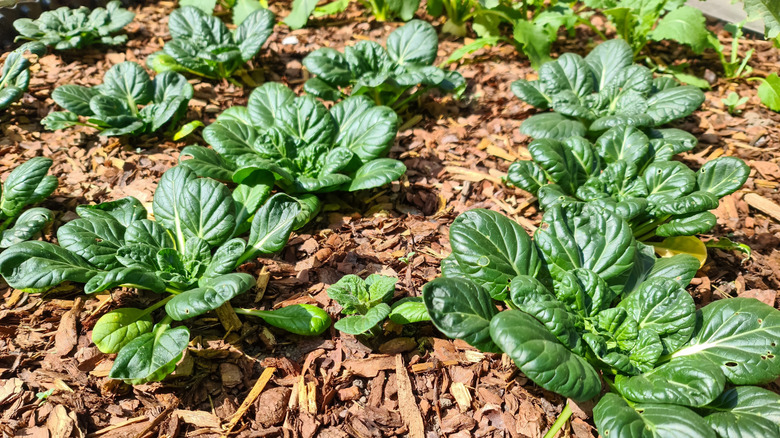
Improved Soil Health
| Benefit | Explanation |
| Soil Nutrients | Mulch breaks down and adds nutrients to the soil. |
| Soil Structure | Mulch helps soil stay loose and crumbly for good root growth. |
| Microorganisms | Mulch supports helpful bugs and microbes that improve soil. |
Credit: www.chowhound.com
Types Of Mulch Suitable For Vegetables
Mulching is great for vegetable gardens. It helps retain moisture and suppress weeds. Different types of mulch can be used for vegetables.
Choosing the right mulch ensures healthy growth. Let’s explore the types of mulch suitable for your vegetable garden.
Organic Mulches
Organic mulches come from natural materials. They decompose over time, enriching the soil. Examples include straw, grass clippings, and leaves.
- Straw: Keeps soil cool and reduces weed growth.
- Grass Clippings: Provides nitrogen as it breaks down.
- Leaves: Insulates soil and retains moisture.
Inorganic Mulches
Inorganic mulches do not decompose. They provide long-lasting coverage. Common types include plastic sheeting and gravel.
- Plastic Sheeting: Warms the soil for early planting.
- Gravel: Prevents soil erosion and keeps weeds at bay.
Compost As Mulch
Compost is a nutrient-rich mulch option. It improves soil structure and adds nutrients. Compost is made from decomposed organic matter.
Using compost as mulch benefits vegetable gardens. It supports plant growth and soil health.
When To Apply Mulch In Your Garden
Mulch helps keep soil moist and controls weeds in vegetable gardens. Applying mulch at the right time is important to protect your plants.
Putting mulch on too early or too late can harm your plants. This guide explains the best timing for mulch in your garden.
Timing For Planting Season
Apply mulch after you plant your vegetables. This helps keep soil temperature steady and holds moisture.
Do not put mulch before planting. It can make the soil too cold or wet for seeds to grow well.
- Plant your seeds or seedlings first.
- Wait until the soil warms up.
- Then spread mulch around your plants.
Avoiding Seedling Damage
Mulch can harm young seedlings if applied too soon. It might stop sunlight or trap too much moisture.
Wait until seedlings grow stronger before adding mulch. This helps them get enough air and light.
- Give seedlings 2-3 weeks to grow.
- Check they look healthy before mulching.
- Use light mulch to avoid covering small plants.
How To Apply Mulch Properly
Mulching a vegetable garden helps keep soil moist and reduces weeds. Applying mulch the right way makes plants healthier.
Follow simple steps to spread mulch carefully around your vegetables. This will protect roots and improve growth.
Layer Thickness
Use the correct thickness of mulch to keep soil moist but allow air flow. Too thick a layer can stop water from reaching roots.
A layer about 2 to 3 inches thick is best for most vegetable gardens. This amount keeps weeds down and holds moisture well.
Spacing Around Plants
Leave small gaps between mulch and plant stems. This stops mulch from trapping too much moisture near the stem.
- Keep about 1 to 2 inches of space around each plant base
- Prevent rot by not piling mulch directly on stems
- Check spacing regularly as plants grow
Replenishing Mulch
Mulch breaks down over time and needs adding again. Check mulch every few weeks during the growing season.
Add a fresh 1 inch layer to keep the soil covered. Avoid piling on too much mulch at once.
Common Mistakes To Avoid
Mulching a vegetable garden helps keep soil moist and weeds down. But some mistakes can harm your plants.
Knowing when and how to mulch is important. Avoid these common errors for a healthy garden.
Using Mulch Too Early Or Too Late
Putting mulch on too early can keep soil cold. This slows plant growth in spring.
Adding mulch too late lets weeds grow and soil dry out. This hurts your vegetables.
- Apply mulch after soil warms up in spring
- Wait to mulch until seedlings are strong
- Remove old mulch before new growth starts
Over-mulching
Using too much mulch blocks air and water from reaching roots. This can cause root rot.
Thick mulch layers also attract pests and slow soil warming in spring.
- Keep mulch layer 2 to 3 inches thick
- Leave space around plant stems
- Check mulch depth regularly and adjust
Choosing The Wrong Mulch
Some mulches can harm plants or soil. Avoid using colored or treated wood chips in vegetable beds.
Mulch that breaks down too fast can rob soil of nitrogen. This slows plant growth.
- Use organic mulches like straw, grass clippings, or shredded leaves
- Avoid mulches with chemicals or dyes
- Choose mulch that matches your garden’s needs

Credit: www.reddit.com
Expert Tips For Best Results
Mulching in a vegetable garden can help keep soil moist and reduce weeds. It also adds nutrients as it breaks down. Using mulch the right way improves your garden’s health.
Choosing the right mulch and caring for it properly brings the best results. These tips will help you use mulch effectively in your vegetable garden.
Combining Mulch With Other Practices
Mulch works best when combined with good garden habits. Use organic mulch like straw or leaves with compost. This adds nutrients and improves soil.
Remove weeds before mulching. This stops them from growing under the mulch. Also, rotate your crops each season to keep soil healthy.
- Apply compost before adding mulch
- Clear weeds to prevent growth under mulch
- Rotate crops to avoid soil problems
- Use mulch to protect soil from erosion
Monitoring Soil Moisture And Health
Mulch helps soil keep water but check moisture often. Stick your finger in soil to see if it feels dry or wet. Water your plants if the soil is dry under mulch.
Look for signs of healthy soil. Dark, crumbly soil shows good health. Avoid letting mulch stay too wet, which can cause rot or pests.
- Check soil moisture regularly
- Water plants if soil feels dry
- Watch for pests under mulch
- Keep mulch from staying too wet
Seasonal Mulching Adjustments
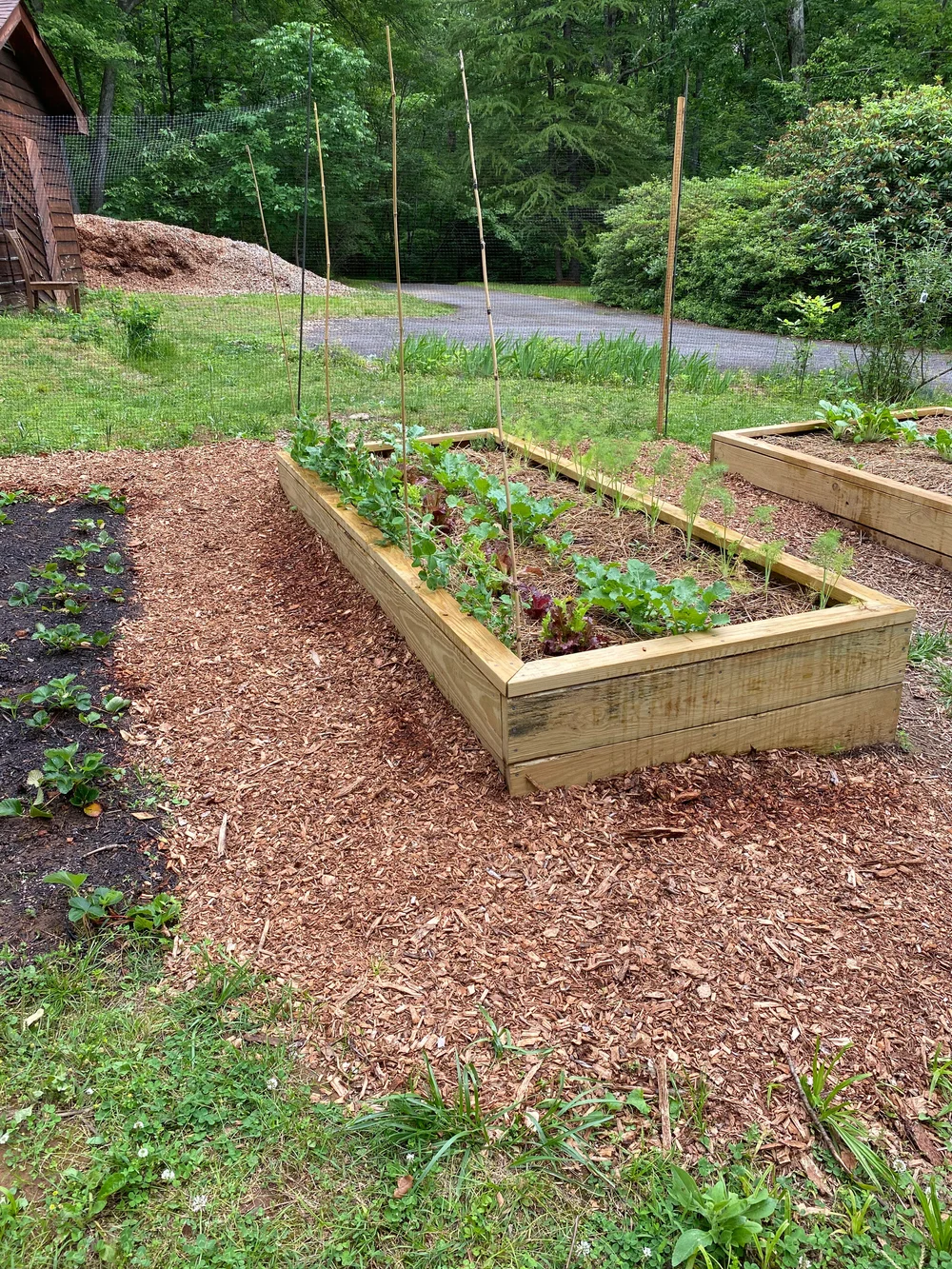
Change how you mulch depending on the season. Use thicker mulch in summer to keep soil cool and moist. In spring, apply mulch after soil warms up.
Remove old mulch in fall to avoid pests hiding. Add fresh mulch after you clean the garden. Adjust mulch depth to match weather needs.
- Apply thick mulch in hot summer months
- Wait to mulch until soil warms in spring
- Remove old mulch in fall
- Add fresh mulch for winter protection
Credit: www.thunderbirddisco.com
Frequently Asked Questions
Is Mulch Safe For Vegetable Gardens?
Yes, mulch is safe for vegetable gardens. It helps retain moisture, suppress weeds, and regulate soil temperature, promoting healthy plant growth.
What Types Of Mulch Are Best For Vegetables?
Organic mulches like straw, grass clippings, and shredded leaves are best. They improve soil fertility as they decompose naturally.
Can Mulch Prevent Pests In Vegetable Gardens?
Mulch can reduce some pests by creating a barrier. However, certain mulches may attract pests, so choose carefully and monitor your garden.
How Thick Should Mulch Be In Vegetable Beds?
Apply mulch 2 to 3 inches thick. This depth conserves moisture and prevents weeds without suffocating plant roots.
Conclusion
Mulch helps keep soil moist and stops weeds from growing. It also adds nutrients as it breaks down. Use the right type of mulch to avoid problems. Keep mulch a few inches away from plant stems. This simple step can improve your vegetable garden’s health.
Mulching is a smart choice for better growth and less work. Try it and see the difference in your garden!
