
Are you ready to make your garden thrive year after year? It all starts with how you store your garden seeds.
Proper seed storage can be the secret to healthy plants and a bountiful harvest. If you’ve ever opened a packet of seeds only to find they didn’t sprout, you know how frustrating that can be. But don’t worry—by learning a few simple tips, you can keep your seeds fresh and ready to grow.
Keep reading to discover easy and effective ways to store your garden seeds, so you never miss a chance to grow your dream garden.
Credit: www.gardeningknowhow.com
Choosing The Right Seeds
Choosing the right seeds is key to a successful garden. Good seeds grow healthy plants and better crops.
Learn how to pick seeds that will grow well in your garden space and climate.
Selecting Viable Seeds
Check seed packets for the date they were harvested. Fresh seeds have a higher chance to sprout.
- Look for seeds stored in cool, dry places
- Avoid seeds that look damaged or discolored
- Choose seeds suited for your planting season
- Test a few seeds by planting to see if they sprout
Heirloom Vs Hybrid Seeds
| Seed Type | Description | Benefits | Considerations |
| Heirloom | Seeds passed down for many years | True to type, saves seeds easily | May have lower disease resistance |
| Hybrid | Crossbred for specific traits | Stronger plants, better yields | Seeds may not produce true plants |
Choose heirloom seeds if you want to save seeds from year to year. Pick hybrid seeds for strong plants and bigger harvests.
Preparing Seeds For Storage
Storing garden seeds properly helps keep them healthy and ready to grow. You must prepare seeds well before storing them.
This preparation includes cleaning, drying, sorting, and labeling the seeds carefully. These steps protect seeds from damage and confusion later.
Cleaning And Drying Seeds
Cleaning seeds removes dirt and plant bits that can cause mold or rot. Dry seeds are less likely to spoil during storage.
Use a fine screen or paper towel to clean seeds gently. Let seeds air dry in a warm, dry place for several days.
- Remove pulp and plant material from seeds
- Spread seeds thinly on paper or cloth
- Keep seeds out of direct sunlight while drying
- Check seeds daily to avoid moisture buildup
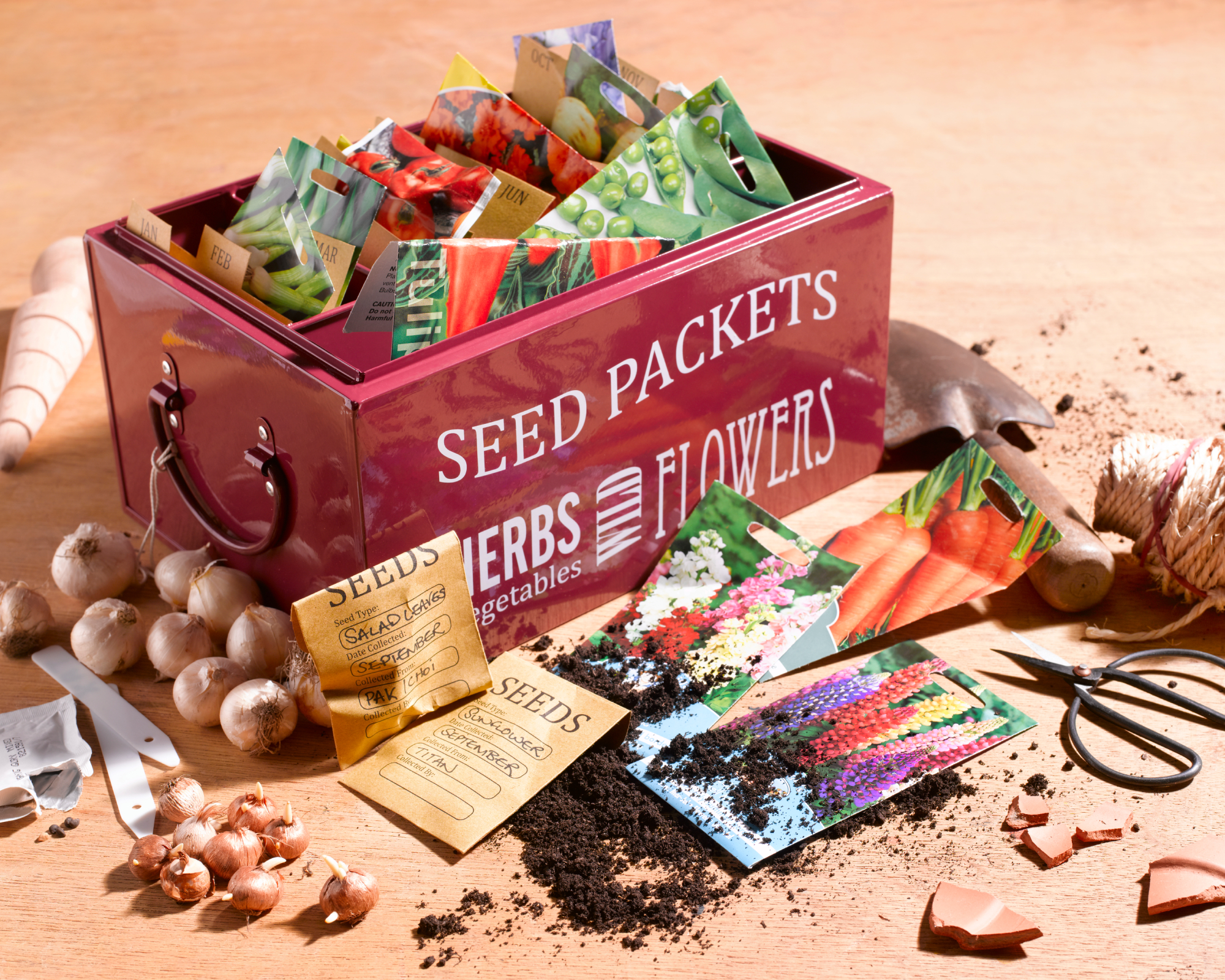
Sorting And Labeling
Sort seeds by type and size to avoid mixing different plants. This makes planting easier later.
Label each batch clearly with the plant name and collection date. This helps track seed age and type.
- Group seeds by species or variety
- Use small envelopes or containers for each group
- Write plant name and harvest date on labels
- Store labels inside or outside the containers
Storage Containers And Materials
Storing garden seeds properly helps them stay fresh for longer. Choosing the right container is essential for maintaining seed quality.
In this guide, we explore the best containers and materials to keep your seeds safe and ready for planting.
Best Containers For Seed Storage
Containers for seed storage should be airtight to prevent moisture from getting in. Moisture can cause seeds to mold or rot.
- Glass Jars: Use jars with tight-fitting lids to keep seeds dry.
- Plastic Containers: Choose BPA-free plastic with secure lids.
- Metal Tins: Tins with sealed lids offer great protection.
- Vacuum-sealed Bags: Remove air for long-term storage.
Using Moisture Absorbers
Moisture absorbers help keep your seeds dry. They are a simple addition to your storage containers.
Here is a basic table for moisture absorbers:
| Type | Usage |
| Silica Gel Packs | Place inside the container |
| Rice | Use as a natural option |
| Clay Desiccants | Effective for larger containers |
Always check and replace moisture absorbers when they become saturated. This ensures your seeds remain in optimal condition.
Credit: www.gardeningknowhow.com
Ideal Storage Conditions
Storing garden seeds correctly helps keep them healthy and ready to grow. Good storage stops seeds from losing their power to sprout.
Seeds need the right place to stay fresh for many months or years. The right conditions keep seeds safe from damage.
Temperature And Humidity Control
Seeds last longest when kept cool and dry. Warm places or wet air can spoil seeds fast.
Keep seeds at a temperature around 40°F (4°C) for best results. Avoid places that get hot or freeze.
- Store seeds in airtight containers to stop moisture.
- Use a refrigerator if possible, but avoid the freezer.
- Keep humidity under 50% to prevent mold.
- Dry seeds well before storage to lower moisture inside.
Light And Air Exposure
Seeds need to be kept away from light. Light can weaken seeds and lower germination rates.
Air can bring moisture and pests. Use sealed containers to protect seeds from air exposure.
- Store seeds in dark, opaque containers or boxes.
- Label containers to know what seeds are inside.
- Keep seeds in a dry, cool, and dark place like a cupboard.
- Open containers only when you need seeds to avoid air damage.
Long-term Seed Preservation Techniques
Storing garden seeds properly helps keep them healthy for many years. Good storage stops seeds from losing their ability to grow.
Seeds need the right conditions to stay alive. These conditions include low heat, low moisture, and no air.
Freezing Seeds Safely
Freezing seeds slows down aging and keeps them fresh longer. Use the freezer only for dry seeds.
Make sure seeds are dry before freezing. Moisture can cause ice crystals that damage seeds.
- Dry seeds until they have about 8% moisture or less
- Place seeds in airtight containers or sealed bags
- Label containers with seed type and date
- Freeze seeds at a steady temperature below 0°F (-18°C)
- Thaw seeds slowly at room temperature before planting
Vacuum Sealing Methods
Vacuum sealing removes air from seed bags. This stops seed decay and mold growth.
Use vacuum sealers with dry seeds for best results. This method keeps seeds dry and fresh.
- Place dry seeds in special vacuum bags or jars
- Use a vacuum sealer to remove air completely
- Seal the bags or jars tightly
- Store sealed seeds in a cool, dark place
- Check seeds yearly for any damage or moisture
Testing Seed Viability
Storing garden seeds properly helps keep them healthy for planting. Testing seed viability shows if seeds can still grow well.
Doing simple tests before planting saves time and effort. It helps you know which seeds are good to use.
Germination Tests
Germination tests check if seeds sprout. You can do this test at home with a paper towel and water.
Place 10 seeds on a damp paper towel. Fold it and put the towel in a plastic bag. Keep it warm and moist.
- Check the seeds after 7 to 14 days
- Count how many seeds sprout
- Calculate the germination rate (sprouted seeds ÷ total seeds × 100%)
- Use seeds with a rate above 70% for best results
When To Discard Old Seeds
Old seeds lose their ability to grow over time. It is best to discard seeds that have low germination rates.
If less than 50% of seeds sprout, you should not plant them. Old seeds can waste space and time in your garden.
- Label seeds with the date when stored
- Test seeds yearly to check their viability
- Discard seeds that fail germination tests
- Buy new seeds for better garden results
Common Storage Mistakes To Avoid
Storing garden seeds properly helps keep them healthy for planting. Many gardeners make simple mistakes that cause seeds to lose their power to grow.
Learning what to avoid can save your seeds from damage and waste. Two major problems are moisture and pests.
Avoiding Moisture Damage
Moisture can cause seeds to rot or sprout too early. It lowers seed quality and can ruin your entire seed collection.
Always keep seeds dry before storing. Use airtight containers and add a moisture absorber like silica gel packets.
- Use sealed glass jars or plastic containers
- Store seeds in a cool, dry place
- Add silica gel packets to absorb moisture
- Avoid storing seeds in damp basements or garages
Preventing Pest Infestations
Pests like insects and rodents can eat or damage seeds. This causes loss and contamination of your seed stock.
Keep seeds in sealed containers to block pests. Check seeds regularly for signs of damage or bugs.
- Use airtight containers or jars with tight lids
- Store seeds off the ground and away from food
- Inspect seeds for holes or insect activity before storing
- Keep storage areas clean and free of pest attractants

Credit: growinginthegarden.com
Tips For Organizing Your Seed Collection
Keeping your garden seeds well organized saves time and effort. It helps you find seeds quickly when planting season comes.
A good organization system also ensures your seeds stay fresh and ready to grow. Let’s explore some useful tips.
Labeling Systems
Labeling your seed packets clearly is important. Use labels that show the seed type and date collected.
Choose labels that don’t fade or fall off easily. Write with waterproof ink or use printed labels.
- Include seed name and variety
- Note the date you collected or bought the seeds
- Add any special planting instructions
- Use clear and easy-to-read fonts or handwriting
Inventory Management
Keep a list or chart to track your seed collection. This helps you know what seeds you have and their quantities.
Update your inventory after planting or buying new seeds. This prevents buying duplicates or missing important seeds.
| Seed Name | Quantity | Date Collected | Notes |
|---|---|---|---|
| Tomato – Cherry | 10 packets | March 2024 | Plant in full sun |
| Carrot – Nantes | 5 packets | April 2024 | Keep soil moist |
Frequently Asked Questions
How Long Can Garden Seeds Be Stored?
Garden seeds can typically be stored for 1 to 5 years. Proper drying and cool, dark conditions extend their viability. Always check seed packets for specific storage life. Using airtight containers helps maintain seed freshness and germination rates.
What Is The Best Container For Seed Storage?
Airtight containers like glass jars, plastic containers, or sealed envelopes work best. They protect seeds from moisture, pests, and air exposure. Label containers with seed type and date for easy identification. Proper containers help maintain seed viability longer.
How Should Seeds Be Dried Before Storage?
Seeds must be completely dry before storage to prevent mold. Spread seeds on paper towels in a warm, dry area for several days. Avoid direct sunlight to protect seed quality. Proper drying ensures better germination when planting.
Where Is The Ideal Place To Store Garden Seeds?
Store seeds in a cool, dark, and dry place like a refrigerator or a basement. Avoid humid or warm areas to prevent seed deterioration. Consistent temperature and humidity help maintain seed viability for longer periods.
Conclusion
Storing garden seeds properly keeps them healthy and ready to grow. Keep seeds dry and cool to protect their life. Use airtight containers to stop moisture and pests. Label each seed packet with the date and type. Check seeds before planting to ensure good quality.
With these simple steps, your garden will thrive year after year. Save seeds well, and enjoy fresh plants every season.
