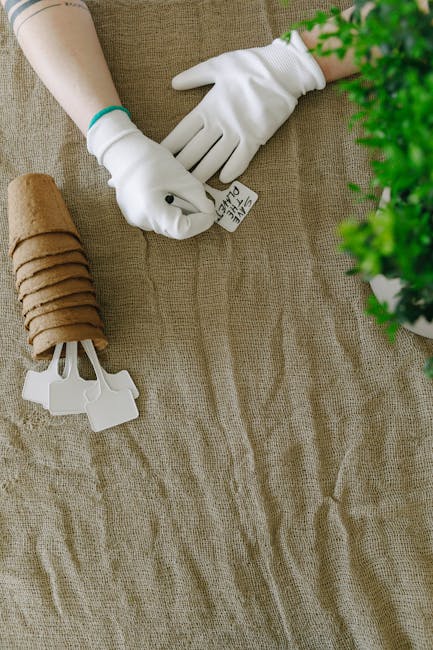
Saving garden seeds is one of the smartest ways to keep your garden thriving year after year. Imagine having your favorite flowers or vegetables ready to grow whenever you want, without spending extra money on new seeds.
By learning how to save your own seeds, you take control of your garden’s future and protect your plants from changing store supplies. In this guide, you’ll discover simple, practical steps to collect, store, and use your garden seeds effectively.
Ready to unlock the secret to a more sustainable and rewarding gardening experience? Let’s dive in and make your garden work for you!
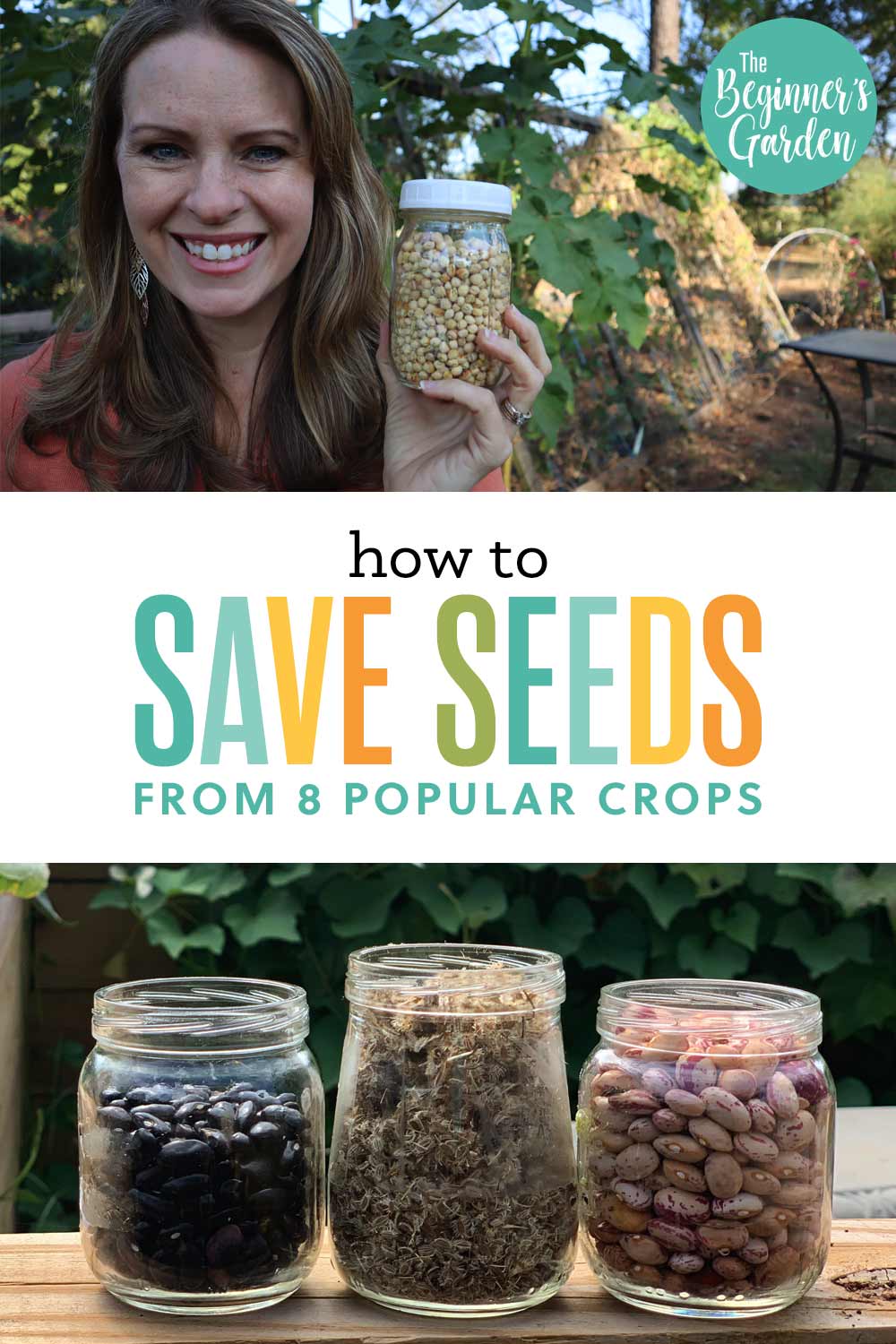
Credit: journeywithjill.net
Choosing Seeds To Save
Saving seeds from your garden helps you grow plants year after year. Choosing the right seeds is key to success.
Pick seeds from plants that are healthy and produce good fruit. This keeps your garden strong and productive.
Selecting Healthy Plants
Choose plants that look strong and free from disease. Healthy plants give better seeds for the next season.
Pick plants that have good size, color, and taste. Avoid plants with spots, wilting, or deformities.
- Look for vibrant leaves and stems
- Choose fruits or vegetables with no damage
- Pick plants that grow well in your garden
- Avoid plants with pests or mold
Identifying Open-pollinated Varieties
Open-pollinated plants produce seeds that grow true to the parent. These seeds keep the same traits.
Hybrid seeds may not grow like the parent plant. Save seeds only from open-pollinated varieties to keep your garden stable.
- Check seed packets for “open-pollinated” label
- Ask local gardeners or seed suppliers
- Heirloom varieties are usually open-pollinated
- Avoid saving seeds from hybrids
Harvesting Seeds Properly
Saving seeds from your garden helps you grow plants year after year. Harvesting seeds properly keeps them healthy and strong for the next season.
Good seed harvesting means picking seeds at the right time and using the right methods. This helps you get high-quality seeds that grow well.
Timing For Different Plants
Each plant has its own best time for seed collection. Picking seeds too early or too late can hurt their ability to grow.
Some plants dry on the plant, while others need to be picked green and dried indoors.
- Tomatoes: Pick when fully ripe and soft
- Beans and peas: Harvest when pods are dry and brown
- Sunflowers: Wait until back of flower head turns brown
- Lettuce: Collect seeds when flower stalks dry
- Carrots and parsley: Seeds are ready when flower heads turn brown and dry
Methods For Collecting Seeds
You can collect seeds by hand or by using simple tools. Clean seeds are easier to store and plant later.
Drying seeds well before storage helps prevent mold and decay. Some seeds need extra cleaning to remove pulp or chaff.
- Handpick dry seeds directly from plants
- Use a paper bag to catch seeds from plants that drop easily
- Dry wet seeds on a screen or paper towel in a dry, airy place
- Remove seed coating by rubbing or washing if needed
- Store seeds in labeled, airtight containers in a cool place
Cleaning And Drying Seeds
Saving garden seeds is a great way to grow plants next year. Proper cleaning and drying help seeds last longer.
Seeds need to be free of dirt and moisture to stay healthy. Let’s learn how to clean and dry them correctly.
Removing Debris
Debris can harm seeds and affect their growth. Removing it keeps seeds clean and ready for storage.
Start by shaking seeds gently in a sieve. This helps separate seeds from dirt and small debris.
- Use a soft brush to remove stubborn dirt
- Pick out large pieces by hand
- Rinse seeds in cool water if needed
Drying Techniques For Longevity
Proper drying helps seeds last longer. It’s important to remove all moisture from seeds.
Spread seeds on a paper towel in a warm, dry place. Make sure they are in a single layer.
- Turn seeds daily for even drying
- Use a fan for better air circulation
- Avoid direct sunlight to prevent damage

Credit: seedsavers.org
Storing Seeds Safely
Saving garden seeds helps you grow plants year after year. Proper storage keeps seeds healthy and ready to sprout.
Seeds need the right containers and conditions to stay fresh. This guide explains how to store them safely.
Choosing Containers
Pick containers that protect seeds from moisture, air, and pests. Containers should close tightly to keep seeds dry.
- Use glass jars with tight lids for small seed amounts.
- Paper envelopes work well for short storage but keep them dry.
- Plastic containers can be used but must be airtight.
- Store seeds in labeled containers to avoid mix-ups.
Ideal Storage Conditions
Seeds last longer when stored in cool, dry, and dark places. Too much heat or moisture can ruin them quickly.
| Condition | Recommended Range |
| Temperature | 32°F to 41°F (0°C to 5°C) |
| Humidity | Less than 8% |
| Light | Dark environment |
Labeling And Organizing
Saving garden seeds is simple when you keep them labeled and organized. Clear labels help you know what seeds you have. Good organization makes your seeds easy to find and use.
Keeping accurate records and sorting seeds well can save you time. It also protects your seeds for the next planting season.
Recording Seed Information
Write down important details for each seed type. This helps you track seed quality and planting times. Use a notebook or a digital file to keep this information.
- Seed name and variety
- Harvest date
- Planting zone or climate info
- Growing notes or tips
- Expiration or best use date
Organizing For Easy Access
Store seeds in containers that keep them dry and safe. Group seeds by plant type or planting season. Label each container clearly with the seed name and date.
| Container | Contents | Label Example |
|---|---|---|
| Envelope | Tomato seeds | Tomato – Heirloom – Harvested May 2023 |
| Plastic Jar | Herb seeds | Basil – Sweet – Harvested July 2023 |
| Glass Jar | Flower seeds | Marigold – Orange – Harvested August 2023 |
Testing Seed Viability
Saving garden seeds is easy if you know they will grow well. Testing seed viability helps you check if seeds can sprout.
Good seeds save time and effort. Testing them before planting is smart for a healthy garden.
Simple Germination Tests
Germination tests show how many seeds will sprout. You only need paper towels, water, and a warm place.
Place some seeds between damp paper towels. Keep them moist and warm for a few days. Check how many seeds sprout.
- Put 10 seeds on a damp paper towel.
- Fold the towel over the seeds gently.
- Keep the towel in a warm spot, like on top of a fridge.
- Check daily and keep the towel moist.
- Count the seeds that sprout after 7 days.
- Calculate the percentage of sprouted seeds.
If 7 out of 10 seeds sprout, the seed viability is 70%. Seeds with over 70% viability are good for planting.
When To Replace Seeds
Seeds lose their ability to grow over time. Knowing when to replace seeds helps keep your garden healthy.
If your germination test shows less than 50% sprouting, it is time to get new seeds. Old seeds may not grow well.
- Check seed packet for shelf life or expiration date.
- Perform germination tests yearly for saved seeds.
- Replace seeds if less than half sprout during the test.
- Store seeds in a cool, dry place to last longer.
Tips For Year-round Growth
Saving garden seeds lets you grow plants all year. It helps you keep favorite plants and save money.
Good planning and seed starting skills are key. These tips will help you grow plants every season.
Planning Planting Schedules
Plan your garden by knowing when to plant each seed. This helps you get plants ready for all seasons.
Check your local frost dates. Plant early crops before the last frost and warm crops after.
- Group plants by their growing season
- Rotate crops to keep soil healthy
- Use a calendar to mark planting and harvesting dates
- Save seeds from the best plants for next year
Using Seed Starting Techniques
Start seeds indoors to get a head start. This lets plants grow strong before moving outside.
Use trays, pots, or containers with good drainage. Keep soil moist and warm for best sprouting.
- Label seeds with plant name and date started
- Provide enough light using windows or grow lights
- Harden off seedlings by slowly exposing them to outdoor conditions
- Transplant seedlings when they have true leaves and strong roots

Credit: www.youtube.com
Frequently Asked Questions
How Do I Collect Seeds From My Garden Plants?
Collect seeds from healthy, mature plants after they dry. Use paper bags to gather seeds, avoiding moisture to prevent mold.
When Is The Best Time To Save Garden Seeds?
Save seeds when fruits or pods fully ripen and dry on the plant. This ensures seed maturity and viability.
How Should I Store Garden Seeds For Longevity?
Store seeds in cool, dry, airtight containers. Keep them in a dark place to maintain freshness and germination potential.
Can I Save Seeds From Hybrid Plants?
Seeds from hybrids may not produce true-to-type plants. It’s best to save seeds from open-pollinated or heirloom varieties for consistency.
Conclusion
Saving garden seeds helps you grow plants year after year. It saves money and protects plant varieties you love. Store seeds in a cool, dry place for best results. Label each packet clearly to avoid confusion later. Use fresh seeds for better growth and healthier plants.
Seed saving connects you to nature and your garden’s cycle. Start small, learn as you go, and enjoy the process. Your garden will thank you with beautiful blooms and fresh produce. Simple steps lead to big rewards in your garden journey.
